
Humans of HUPO
About > Humans of HUPO
Meet the Humans of HUPO
Celebrating the People Behind Proteomics
Humans of HUPO shines a spotlight on the diverse and inspiring individuals who make up the global HUPO community. Each month, we feature a member whose work, story, and perspective contribute to advancing proteomics and strengthening our shared scientific network. Through these profiles, HUPO celebrates collaboration, diversity, and the human side of discovery that drives our field forward.
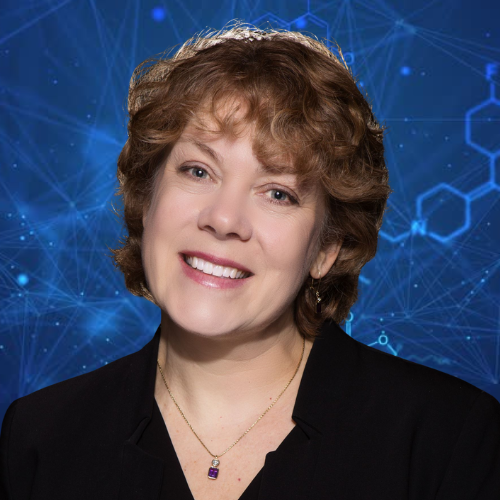
Kathryn Lilley
UK
What is your current position and location?
I am a research group head and full professor in the Department of Biochemistry, University of Cambridge, UK.
How did you get started in the field of proteomics?
I managed a protein sequencing core facility for many years and was very frustrated that most of the time I got negative results. I read about mass spectrometry based protein identification in the late 90’s and was hooked!
I moved to Cambridge in 2000 to a newly formed proteomics facility. It was a very steep learning curve for me as I had little experience in peptide/protein mass spectrometry and even less in quantitative biology. Early on, I was concerned about how to adequately design proteomics experiments such that they were appropriately powered. I think this is still a problem 20 years on. I was also sceptical of studies that claimed to have purified protein complexes, and subcellular organelles and strived to determine the best way to distinguish true components from contaminants. These two concerns formed the basis of my research programme early on, and still dominate life in my lab!
What does being a member of HUPO mean to you?
I have been a member of HUPO for many years. I have not been formally involved with many initiatives – I wish I had more time to devote to HUPO. HUPO represents a fabulous community of people who selflessly come together to tackle the major challenges in our field. The proteomics field has transitioned from a technique carried out by core groups, often through collaboration, to being much more democratised and carried out more as a commodity. This is great for the field but requires clear guidelines for novices. One of HUPO’s roles is to establish and disseminate best practice. Through HUPO’s different initiatives, some of the larger problems are being tackled on a scale that can only be undertaken by a worldwide effort.
Being a member of this community is therefore very important to me. Making new friends and collaborators through HUPO and meeting old friends at the annual conferences also means a lot to me. I think the HUPO community is one of the most welcoming and supportive that I know. We should be the envy of others and show how it can be done.
What makes your research program exciting and unique?
My group pioneers subcellular omics approaches. While many proteomics studies focus on changes in protein abundance as readouts of system responses to perturbations, we have demonstrated that protein relocalization—without accompanying changes in net abundance—is equally critical.
To interrogate subcellular proteomics and the differential behavior of proteins in discrete subcellular niches, we have developed a suite of tools. These include approaches that generate cell-wide protein maps per experiment without requiring genetic manipulation, such as proximity tagging or large-scale organelle pull-downs. While these complementary methods offer valuable insights, they can introduce sampling bias across subcellular compartments and lack the scalability needed to test multiple conditions or to be applied across diverse organisms. Our methods operate in a system-agnostic manner and have recently yielded exciting data with collaborators, including mapping subcellular changes during human parasite infection.
We continue to extend our methodological capabilities—for example, by mapping both the subcellular transcriptome and proteome from the same sample. To support widespread adoption, we create open-source informatics tools accompanied by robust documentation that facilitates implementation by other researchers.
What are your interests outside the lab?
My job is very stressful – not just the proteomics bit – but also the duties of a senior academic within my university. Ever since early childhood I have been a singer. If I don’t sing I get very miserable indeed. It is the one thing I can concentrate on and block everything else out. I don’t get to sing as much as I would like. Thankfully for my lab, I don’t sing at work – but belong to various choirs around Cambridge.
I am also a keen gardener and do five minutes of gardening, weather permitting, every morning before leaving for work. Not only is this very therapeutic, but I have various gardening ‘experiments’ that I keep an eye on.
Where do you envision the field of proteomics in the next 10 years?
The proteomics community and cell biologists in general have moved away from one gene–one protein function. There will be an increasing need to study protein behaviour at the level of individual proteoforms. The functional significance of post-translational modifications will take centre stage, informing not only our understanding of basic processes but also the design of therapeutics and genetic engineering. Being able to characterise individual proteoforms at the single-cell level may still be a dream, but it will be an actuality within 10 years.
The role of AI in understanding proteoform function cannot be underestimated, but the community needs to come together to provide crucial data that will form the basis of the AI models. I do not consider current proteomics approaches sufficient to deliver necessary data, and in the next 10 years I see proteomics moving away from mass spectrometry as the go-to technique, with complementary methods that deliver data on native isoforms increasing in prevalence.
The transcriptome does not equal the proteome — we all know this — but transcriptomes have been the surrogate for the proteome largely because of pragmatic reasons, to do with scalability and sensitivity. Application of antibody- or aptamer-based identification methods is increasing at a pace, especially in a clinical setting, but these methods are only as good as the precision and depth of reagents. I expect that well within 10 years, the repertoire of available reagents will balloon, making these complementary approaches much more comprehensive, and the throughput of proteomics methods equalling that of genomics.
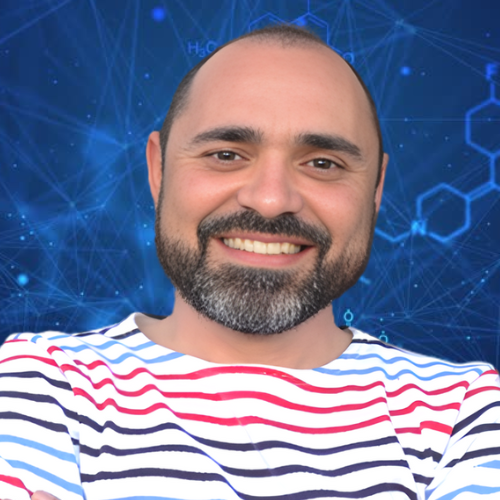
Adán Pinto-Fernández
UK
What is your current position and location?
I am a Group Leader and Career Development Fellow at the Nuffield Department of Medicine, University of Oxford (UK), where I also co-lead the Lipidomics Facility. My research group investigates how ubiquitin and ubiquitin-like modifiers regulate immune signalling and cancer progression.
How did you get started in the field of proteomics?
During my first postdoctoral position in the laboratory of Prof. Olivier Feron at UCLouvain (Brussels), I investigated the mode of action of a novel photosensitiser we had discovered (OR141). This involved profiling ubiquitylated proteins and deubiquitylating enzymes using dedicated ubiquitomics and chemoproteomics workflows. I was immediately captivated by the depth and versatility of proteomic technologies in uncovering complex mechanistic insights in biology. This early experience laid a strong foundation for the research questions I continue to explore today.
What does being a member of HUPO mean to you?
Being part of HUPO connects me to a vibrant international community of scientists driving progress in proteomics across a wide range of disciplines. HUPO’s focus on collaboration, openness, and innovation strongly reflects the values I promote through my own research. It offers an excellent platform for staying informed about new developments, exchanging ideas, and actively contributing to the global advancement of the field.
What makes your research programme exciting and unique?
My group integrates ubiquitomics, chemoproteomics, and, more recently, immunopeptidomics to investigate how the ubiquitin system shapes immune responses, particularly in cancer. We operate at the intersection of technology development and translational research, frequently collaborating with pharmaceutical partners to explore therapeutic targets. I’m particularly excited about our recent work on ISGylation and interferon-driven immune evasion, which may open up new avenues for cancer immunotherapy and antiviral strategies. On the technological front, we have been especially engaged in developing highly sensitive and high-throughput activity-based proteomics workflows, expanding the toolkit available for profiling enzyme activity in complex biological systems.
What are your interests outside the lab?
Outside the lab, I enjoy spending time with my son. I’m also passionate about cycling, photography, baking bread, and live music. Travelling with a sense of purpose, whether for science or exploration, has always inspired me. These activities help me recharge, stay curious, and creative.
Where do you envision the field of proteomics in the next 10 years?
I believe proteomics will become increasingly embedded in clinical decision-making and drug discovery, driven by scalable, technology-enabled platforms. Advances in machine learning and open data sharing will play a key role in streamlining data analysis and interpretation, helping to unlock the full potential of proteomic datasets. I also dream of seeing affordable, user-friendly instrumentation that replaces immunoblotting altogether—bringing proteomics to every lab bench.

Kristin Burnum-Johnson
USA
What is your current position and location?
I currently lead the Functional and Systems Biology Group at the Environmental Molecular Sciences Laboratory (EMSL) located at the Pacific Northwest National Laboratory (PNNL) in Richland, Washington, USA. As a Department of Energy–Office of Science national user facility, EMSL provides researchers with advanced tools and expert guidance to improve their molecular-level understanding of complex biological systems.
How did you get started in the field of proteomics?
My journey into proteomics began twenty years ago during my Ph.D. studies in Biochemistry at Vanderbilt University, where I had the privilege of working in Professor Richard Caprioli’s laboratory. His laboratory was at the forefront of developing Matrix-Assisted Laser Desorption/Ionization (MALDI) imaging mass spectrometry, an analytical technique that enables detailed spatial mapping of proteomes within tissues. I found this method fascinating because of its ability to visualize the complex landscape of protein distributions. This foundational training paved the way for my postdoctoral fellowship in Dr. Richard Smith’s laboratory at PNNL. During this time, I gained valuable experience performing high-sensitivity analysis of complex biological samples using Liquid Chromatography–Tandem Mass Spectrometry (LC-MS/MS) for deep proteomics. Currently, my research at PNNL combines spatial and deep proteomic techniques to study complex biological systems.
What does being a member of HUPO mean to you?
Being a member of HUPO is a vital part of my career because it connects me to a global community of proteomics researchers. HUPO provides opportunities to collaborate, share ideas, and stay informed on research developments, which helps advance the field and translate proteomics discoveries into practical applications. It is meaningful to be part of an organization that supports scientific progress and promotes international connections across disciplines.
What makes your research program exciting and unique?
My research program is exciting and unique because it combines metabolomics, lipidomics, and proteomics using advanced MALDI imaging and LC-MS/MS technologies to understand biomolecular pathways. Our research uses cutting-edge analytical tools that generate spatial metabolome and proteome-rich data. We have developed the Metabolome-Informed Proteome Imaging (MIPI) workflow to explore molecular microhabitats within complex biological systems. By utilizing MALDI imaging, we accurately map metabolite locations and identify microscale activity hotspots. Within these hotspots, we use microscale proteomics to identify the enzymes responsible for these activities, utilizing microfluidic technologies for sample processing followed by detailed LC-MS/MS proteomic analysis. This approach helps us better understand the spatial and temporal dynamics of chemical processes and reactions among metabolites, lipids, and proteins that drive biological functions.
What are your interests outside the lab?
Outside of the laboratory, I enjoy spending time with my family, especially when traveling and making memories with my husband and 11-year-old daughter. It is fun to see my daughter experience new places, cultures, and cuisines, which add to our adventures. I also have a deep appreciation for nature and like spending time outdoors. Whether I am hiking through lush forests or simply appreciating the beauty of a natural landscape, I am endlessly fascinated by the world around us.
Where do you envision the field of proteomics in the next 10 years?
Over the next decade, I foresee transformative advancements in proteomics, leading to an unprecedented integration of spatial, temporal, and functional analyses. Supported by cutting-edge multi-omics technologies and the computational power of artificial intelligence (AI), proteomics will play a crucial role in understanding complex biological systems. This development will be characterized by the seamless integration of proteomics with complementary measurements such as genomics, transcriptomics, lipidomics, metabolomics, and detailed studies of protein post-translational modifications. Together, these interconnected data streams will form a comprehensive framework for uncovering the complexities of biomolecular pathways and biological systems.
Rapid advances in proteomics and AI will improve data analysis, offering deeper insights through predictive modeling across many scientific fields, including personalized medicine, bioeconomy applications, and drug discovery. I believe that improved automated sample processing and imaging technologies will expand research opportunities, allowing high-throughput, detailed studies of biomolecular interactions in their natural environments. Through collaborative efforts and innovative research, proteomics will continue to strengthen its essential role in driving scientific discoveries.
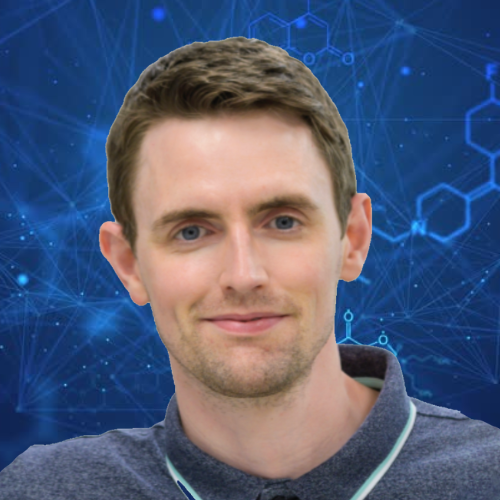
Francis O’Reilly
USA
Francis O’Reilly
USA
What is your current position and location?
I am a Stadtman Tenure-Track Investigator at the Center for Structural Biology within the National Cancer Institute (NCI), located in Frederick, Maryland. My research focuses on the intersection of structural biology and proteomics, primarily on developing the technology of crosslinking mass spectrometry to map the architecture of protein complexes inside the cell.
How did you get started in the field of proteomics?
My journey into proteomics began during my PhD at EMBL Heidelberg, where I worked under the guidance of Anne-Claude Gavin and Martin Beck. I worked on combining proteomics with cryo-electron microscopy to improve the throughput of structural analysis, focusing on crude cell lysate fractions. This ambitious work was a moderate success, but both technologies were in a period of dramatic technological advances, which motivated me to pursue a career in method development at this interface. I moved to do my postdoctoral research at the Technical University of Berlin with Juri Rappsilber, a pioneer of crosslinking mass spectrometry, where together we made huge conceptual and technical advances in the technique to identify and structurally characterize protein complexes both in vitro and inside cells.
What does being a member of HUPO mean to you?
Being a member of HUPO connects me with a global community of proteomics researchers, including those in my sub-field of structural proteomics. The HUPO conferences provide a platform for collaboration and knowledge exchange that is vital to maintain our research at the cutting edge. HUPO's commitment to promoting proteomics research aligns with my own goals of understanding complex protein interactions and their implications in health and disease.
What makes your research program exciting and unique?
My research program brings together structural proteomics, crosslinking mass spectrometry, and cryo-electron microscopy to chart protein interactions directly within cells. We are particularly interested in how proteins assemble into molecular machines and how these assemblies are regulated in diseases such as cancer. By developing new crosslinking mass spectrometry tools, we generate dynamic, systems-level maps of protein interactomes. Mass spectrometry-based proteomics complements other structural biology techniques by excelling in the analysis of heterogeneous samples, wide-ranging protein abundances, and condition-specific changes. What sets our lab apart is that we’re embedded within a Structural Biology department, where we can validate the structures of newly discovered protein interactions.
What are your interests outside the lab?
Outside the lab, most of my time is happily spent with my young children, who keep me busy and entertained. I enjoy being outdoors, especially cycling and orienteering, a sport that combines navigation with endurance. These activities help clear my mind and often spark fresh ideas.
Where do you envision the field of proteomics in the next 10 years?
In 10 years, I hope the field of structural proteomics will have achieved its goal of comprehensive, residue-level protein interaction networks inside cells. The advent of fast, comparative whole-cell interactomes will transform biological research. Mapping interaction networks across cell types and disease states will offer unprecedented insights into both health and disease. Achieving this will require continued technical innovation, including faster and more sensitive mass spectrometers. I also foresee this approach evolving in close partnership with protein structure prediction tools. Structural restraints from crosslinking data will be essential for both training predictive models and validating structures in biologically relevant contexts. As these methods become more scalable and standardized, I anticipate growing interest from industry, which will further broaden the impact and accessibility of structural proteomics.
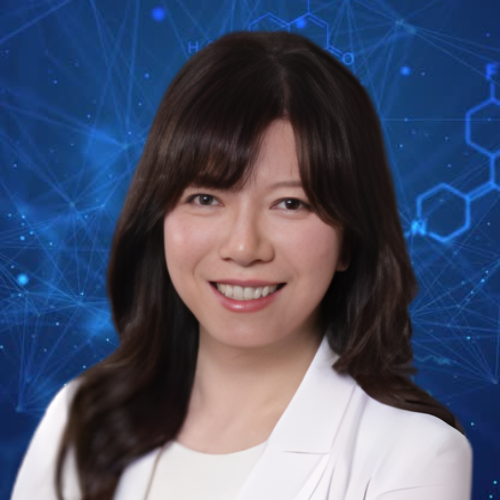
Yu-Ju Chen
Taiwan
Yu-Ju Chen
Taiwan
What is your current position and location?
I am currently a Distinguished Research Fellow at the Institute of Chemistry, Academia Sinica in Taiwan, where my primary focus is on research. I also served as the Director of the Institute for nearly nine years. In addition, I hold an adjunct professorship in the Department of Chemistry at National Taiwan University, where I teach and supervise students.
How did you get started in the field of proteomics?
My PhD training was in photoionization mass spectrometry at Iowa State University, under the supervision of Prof. Cheuk-Yiu Ng. Due to family reasons, I returned to Taiwan and conducted postdoctoral research in laser photolysis and time-resolved FT-IR absorption with Prof. Yuan-Pern Lee at National Tsing Hua University. Joining Academia Sinica marked a turning point in my academic journey. I was drawn to the vibrant biological research in the life science division, which led me to shift my focus to biological mass spectrometry. I began with MALDI-based DNA and SNP detection projects and later embarked on my proteomics journey by learning 2D-gel electrophoresis from Prof. Shui-Tein Chen at the Institute of Biological Chemistry. Working on disease-related protein profiling—such as for gastric cancer and SARS—sparked my curiosity and passion for the complexity of the proteome and its role in disease. The gap between the limited sensitivity of 2D-gel methods (detecting only tens to hundreds of proteins) and the true depth of the proteome motivated me to develop new methodologies aimed at more comprehensive proteomic analysis in disease research.
What does being a member of HUPO mean to you?
Being a member of HUPO has been both a source of inspiration and an incredibly meaningful part of my scientific journey. For me, HUPO represents a vibrant global community of passionate scientists dedicated to advancing the frontiers of proteomics and translating discoveries to improve One Health. Through HUPO, I’ve gained so much—scientific exchange, international collaborations, and the chance to highlight research from Taiwan and Asia on the global stage. From member, Council member to Executive Committee (EC) member, HUPO has shaped my leadership development since the early stages of my career. Serving as HUPO President in 2021–2022 was an unexpected yet memorable chapter. Leading the organization through post-pandemic uncertainties was a remarkable team effort, and together we not only overcame logistical challenges but also strengthened HUPO’s financial foundation. I am especially grateful for the mentorship of Past President Steve Pennington and Vice President Susan Weintraub, as well as the dedicated collaboration of our Executive Committee team—Henning Hermjakob, Peter Hoffmann, Jennifer Van Eyk, Uwe Völker, Mathieu Lavallée-Adam, and Justyna Fert-Bober.
What makes your research program exciting and unique?
Our research program focuses on one of the most complex and fascinating areas of the human proteome—the membrane proteome and its extensive modifications, particularly extracellular glycosylation and intracellular phosphorylation. This subcellular space plays a critical role in regulating cellular functions and disease phenotypes, yet remains analytically challenging. That challenge is exactly what keeps our work dynamic and exciting—we are driven to develop innovative methodologies to fully explore the proteomic landscape and uncover the interplay of these modifications. I’m fortunate to have built a strong collaborative network that allows us to apply these proteomic tools to uncover disease mechanisms and identify key proteins involved in signal transduction. Through the Taiwan Cancer Moonshot program, I work with an incredible multi-disciplinary team spanning seven academic and medical institutions. Together, we are using proteogenomics to break down barriers in cancer research. I truly enjoy the collaborative spirit of this work—learning from each other and advancing together as a team.
What are your interests outside the lab?
Outside the lab, one of my greatest joys is traveling with my family. I truly enjoy experiencing different cultures and cuisines—a wonderful way to create lasting memories. This love for food also carries into my weekends, as I enjoy cooking at home and exploring new recipes and flavors. It’s a fun and creative way to relax and share joy with loved ones. Another personal interest of mine is watching films and TV shows, especially those that tell compelling human stories. In the evenings, I often work on the computer while having a show playing in the background. These stories offer a glimpse into different lives and experiences, allowing me to momentarily step into another world. It’s a simple yet effective way for me to unwind and find balance amidst the demands of research.
Where do you envision the field of proteomics in the next 10 years?
Despite the many successes in proteomics technology and discovery, there is still significant potential to be realized in translating these advances into real-world impact. Over the next 10 years, I envision proteomics playing a central role in bridging molecular insights with actionable outcomes across multiple domains. In clinical care, proteomics will increasingly inspire new strategies for early disease detection, patient stratification, and treatment monitoring, paving the way for more precise and personalized medicine. In preventive medicine, the identification of proteomic markers could enable risk prediction before disease onset, shifting the focus from treatment to prevention. Beyond human health, proteomics will also likely expand its influence in other areas, such as precision agriculture—optimizing crop resilience and yield through molecular profiling—and food safety—detecting contaminants or monitoring food quality. To realize this vision, we not only need continued innovation in sensitivity, throughput, and data integration, but also require efforts to translate research assays into regulatory-compatible applications. This will require strong collaboration among scientists, clinicians, and industry partners. Ultimately, the next decade will be about transforming proteomic knowledge and technologies into practical solutions that improve both human life and planetary well-being.
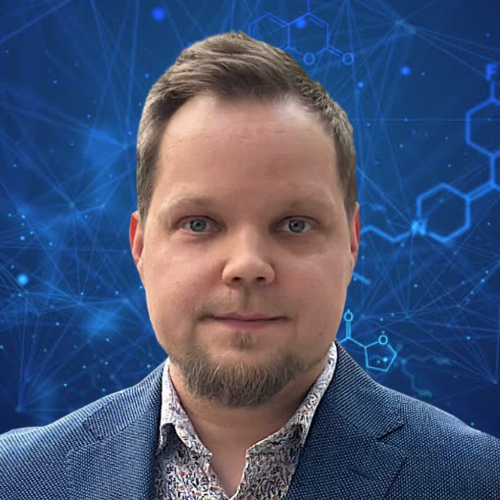
Markku Varjosalo
Finland
Markku Varjosalo
Finland
What is your current position and location?
I am a tenured Research Director and Professor at the Helsinki Institute of Life Science (HiLIFE) & Faculty of Medicine at the University of Helsinki, where I also serve as the Scientific Director of the Helsinki Proteomics Center. My group focuses on molecular systems biology and quantitative proteomics, using cutting-edge mass spectrometry to decode protein interactions, signaling pathways, and disease mechanisms. Finland might be a small country, but we make up for it with world-class science, and I’m proud to lead a lab that pushes proteomics forward on a global scale.
How did you get started in the field of proteomics?
I started in genomics, working with Jussi Taipale, convinced that DNA held all the answers. But the deeper I got, the more I realized that if you want to understand biology in action, you have to study proteins. Then I heard Ruedi Aebersold talk about mass spectrometry-based proteomics, and I knew I had found my calling. I joined his lab at ETH Zurich for a postdoc, where I saw firsthand how proteomics could revolutionize our understanding of complex biological systems. After an intense few years immersed in cutting-edge proteomics, I was recruited back to Finland to establish my own lab and develop the country’s proteomics capabilities. That decision set my career path, and I haven’t looked back since.
What does being a member of HUPO mean to you?
HUPO is not just a scientific society, it’s a proteomics ecosystem. I’ve been an on-and-off member for 15 years, but now I’m here for good. What makes HUPO special is the people—passionate, slightly eccentric, and always pushing the boundaries of what’s possible. From the first HUPO meeting I attended, I was struck by how approachable and supportive people were; even the Superstars in the field would chat over a coffee or drinks as if we were old friends. The meetings are unlike any other, packed with cutting-edge science but also filled with energy and collaboration. HUPO has shaped the field and continues to drive it forward, and I’m proud to be part of that momentum. Whenever a new student or postdoc joins my lab, I tell them: “If you want to understand proteomics beyond the papers, come to a HUPO meeting.” That’s where the magic happens.
What makes your research program exciting and unique?
Our lab is all about mapping protein networks and understanding how molecular systems function in health and disease. We have spent years charting human protein interactions, first completing the interaction landscape of protein kinases and now approaching a comprehensive map of human transcription factors. But we’re not just interested in fundamental biology. A major focus of our lab is clinical proteomics, particularly in cancer and primary immunodeficiencies, where we integrate mass spectrometry with patient-derived samples to find biomarkers and therapeutic targets. Finland provides a unique edge in this research, as we have access to the best patient registries in the world, allowing us to link deep proteomic profiling with long-term clinical data. Combining large-scale proteomics experiments, advanced computational approaches, and direct clinical applications makes our work both scientifically exciting and translationally impactful. At the end of the day, the goal is not just to study disease mechanisms but to use proteomics to change how we diagnose and treat patients.
What are your interests outside the lab?
Staying fit is an essential part of my routine, but my true off-duty passion is breeding and working with wirehaired dachshunds, something I’ve been doing for nearly three decades. My competitive streak doesn’t stop at science—I’ve had our dachshunds win both beauty and working championships in most European countries. There’s something rewarding about perfecting a lineage, balancing intelligence, structure, and drive. It’s also a nice contrast to the science; when an experiment or grant fails, at least I can rely on a well-trained dachshund to perform. Science and dogs may seem unrelated, but both require patience, strategy, and the ability to interpret signals (though mass spectrometry is slightly easier to troubleshoot than a stubborn dachshund).
Where do you envision the field of proteomics in the next 10 years?
Proteomics has always been full of potential, but now we are truly delivering on the promise. In the next decade, mass spectrometry will continue to get faster and more sensitive, allowing us to measure entire proteomes in unprecedented detail. Multiplexing and proteoform characterization will become routine, giving us deeper insights into how proteins function in different biological states. Clinical proteomics will shift from a research tool to a standard part of medicine, helping guide diagnostics and personalized treatments. And AI will be at the center of it all, transforming how we design experiments, interpret data, and integrate proteomics with other omics layers. We are reaching the point where we can map everything inside a single cell, track dynamic protein changes in real time, and use proteomics to directly influence patient care. The golden age of proteomics has arrived, and I’m excited to see where it takes us next.
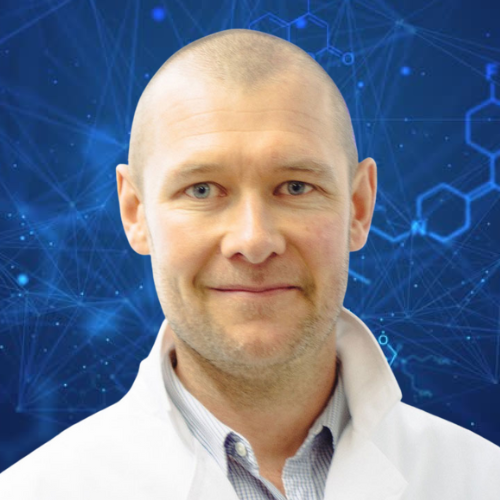
Morten Thaysen Andersen
Australia
Morten Thaysen Andersen
Australia
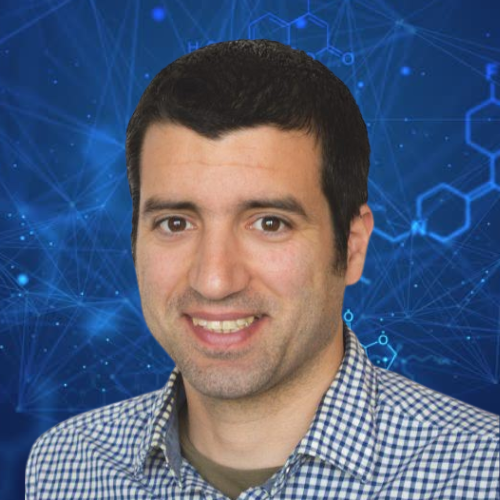
Julio Saez-Rodriguez
UK
What is your current position and location?
My principal affiliation is with Macquarie University, Sydney, Australia where I am a tenured Associate Professor and Head of the Analytical Glycoimmunology group. I am an Australian Research Council Future Fellow, which means that I currently focus mostly on research activities. As a Visiting Professor I also run a satellite lab in Clinical Glycoproteomics at the Institute for Glyco-Core Research (iGCORE) at Nagoya University, Japan where I spend around 20% of my time over the (too) hot Australian summer months.
How did you get started in the field of proteomics?
I started my research career in the early 2000s in the Protein Research group at the University of Southern Denmark in Odense, Denmark. Here I was incredibly lucky and privileged to receive training from pioneers in protein chemistry and proteomics including Profs Peter Højrup, Martin Larsen and Ole Jensen, opening a world of opportunity. Given my growing interest in protein glycosylation, I then relocated to Prof Nicolle Packer’s Glycomics lab at Macquarie University, Sydney, Australia. After having completed a few postdoc positions under Nicki’s outstanding guidance, I decided to combine my background and experience in proteomics and glycomics and established my own research program in glycoproteomics in 2017.
What does being a member of HUPO mean to you?
Knowledge sharing, community spirit, genuine support, international networks and collaborations, career opportunities, friendships and fun. Having attended HUPO meetings for almost 20 years and having been part of different HUPO-based initiatives including the Human Glycoproteomics Initiative (HGI), the HUPO community has played a profound role in my career. In my early career years, I benefitted immensely from receiving ECR travel grants and being selected for talks at HUPO meetings. I remember learning so much from those first international conference experiences where I met pioneers and established networks within my discipline. More recently, I have enjoyed contributing to HUPO through various activities including being part of the organising committee for the 18th HUPO World Congress in Adelaide, 2019 and by chairing the HGI since 2021.
What makes your research program exciting and unique?
My research program employs glycoproteomics as well as other -omics technologies and methods in glycoimmunology to uncover the glycobiology of our innate immune system in health and disease. Glycoproteomics has come a long way since I entered the field in the early 2000s, and the technology can now provide detailed biochemical insights into the heterogenous (and still largely unexplored) glycoproteome directly from complex biological specimens. My research program has discovered new previously overlooked glycoproteome features in various innate immune cell populations of functional importance in immune-related disorders including cancer, infection and inflammation.
What are your interests outside the lab?
Seeing and experiencing other countries and cultures have always fascinated me. Research careers are fortunately well aligned and compatible with such interests and I love the many international aspects of academic pursuit. For example, my current role as Visiting Professor in Japan gives me a chance to learn more about this amazing country and its history and society. Amongst other interests, I am fond of the outdoors and spending time in nature. Being an avid runner and swimmer, I am often found navigating Sydney’s many beautiful national parks and waterways.
Where do you envision the field of proteomics in the next 10 years?
As proteomics science continues to push the boundaries for what is possible with incredible sensitivity, speed, accuracy and reproducibility of conventional proteomics type experiments, there are still analytical challenges waiting to be tackled in my own area of glycoproteomics. Large-scale glycopeptide analysis remains challenging and is therefore still largely restricted to specialised laboratories. My hope is that in 10 years glycoproteomics has become a robust and reliable quantitative technique that enables the wider proteomics community to enter the glycoproteomics field and help address the many pending research questions in glycoscience.
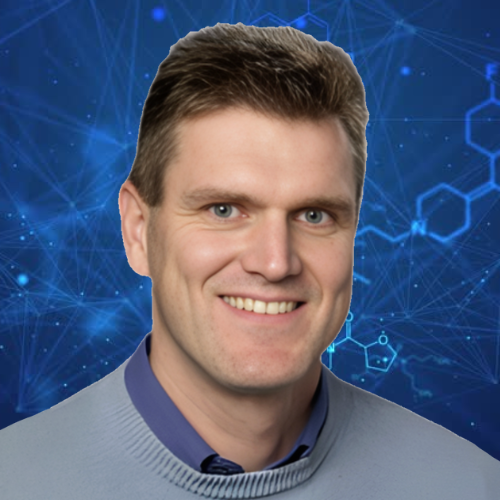
Ole Nørregaard Jensen
Denmark
Ole Nørregaard Jensen
Denmark
What is your current position and location?
I am Professor at the Department of Biochemistry and Molecular Biology at SDU – University of Southern Denmark, Odense, DK. I left Denmark for the US in 1990 to earn my PhD, and afterwards I worked as a postdoc in Germany, returning to Denmark in 1997. I am a native of Odense so I consider myself lucky to have landed this dream job in my home city.
How did you get started in the field of proteomics?
I got started in protein science and mass spectrometry in the late 1980s when I pursued my Master’s degree project in Prof. Peter Roepstorff’s research group at SDU, Odense. I applied LC separations and plasma desorption time-of-flight mass spectrometry (PDMS) to study mutant hemoglobins in blood samples obtained from patients. I learned all the basics of protein chemistry and mass spectrometry. I was lucky to also get to travel to Manchester, UK to apply tandem mass spectrometry for peptide sequencing by FAB MS/MS on a huge 4-sector instrument. This was around the time when the ionization methods MALDI and ESI were developed and I used these new techniques during my subsequent PhD studies at Oregon State University, USA, and my post-doctoral research projects at EMBL, Germany. The mid-1990s were the pioneering days of proteomics and this research field has been exciting and developing ever since! I returned to SDU and Odense in 1997 as an assistant professor. In December 2024 we celebrate the 50th anniversary of biological mass spectrometry research at SDU with the 2-day CelebrateMS Conference!
What does being a member of HUPO mean to you?
I joined HUPO in the early days of the organization and I have been involved as a HUPO Council member and as a member-at-large of the HUPO Executive Committee. There was (and still is) a lot of excitement to develop and share new methods and protocols to study the proteome from many angles. HUPO plays an important role in creating a community feeling for members, particularly through the many initiatives, interest groups, and sub-committees. I was involved in educational programs and in organizing HUPO training courses during the 2000s. There is still a need for training and education of early career scientists in the fundamentals of protein chemistry and mass spectrometry, and HUPO continues to play an important role in this context.
What makes your research program exciting and unique?
I study the roles of post-translational modifications on protein structure and function using mass spectrometry. The variety, diversity and specificity of post-translational modifications in regulation of protein functions and interactions is incredible. My research group explores how ion mobility spectrometry (IMS) and tandem mass spectrometry can reveal and distinguish multiple co-existing post-translational modifications in chromatin-associated proteins, particularly histones. It is intriguing that ion mobility spectrometry can separate peptide and protein isomers of identical mass, allowing us to distinguish same-type modifications at different amino acid residues within proteins. I have no doubt that the combination of IMS and MS/MS will play a major role in elucidating proteoforms.
What are your interests outside the lab?
I am interested in geography, architecture and experiencing different cultures and gastronomy. As a scientist I am privileged to travel at regular intervals so I have visited beautiful places and good colleagues on all continents of the world, except Antarctica. I also enjoy relaxing at home, reading a book, visiting friends and family, or walking our dogs. My wife and I live in the countryside just outside Odense. I like maintaining our house, garden and a small forest. I follow the European football (soccer) leagues and I am of course a fan of Odense FC (OB).
Where do you envision the field of proteomics in the next 10 years?
In 10 years’ time we will still study post-translational modifications of proteins, because of their complexity and key roles in regulation of protein networks in health and disease. I envision that IMS and MS technology will have advanced to enable fast and comprehensive PTM studies of extremely small sample amounts from human tissues and tumors. Developments in computational methods and deep learning, including quantum computing, will transform proteomics data analysis and data mining beyond my imagination. Proteomics research will rely on coordinated interdisciplinary efforts of larger research teams and advanced AI systems, from experimental design to data acquisition and interpretation. Proteomics will deliver on its promise to identify biomarkers, drug targets and support protein design in drug development, and have a real impact on human quality of life.
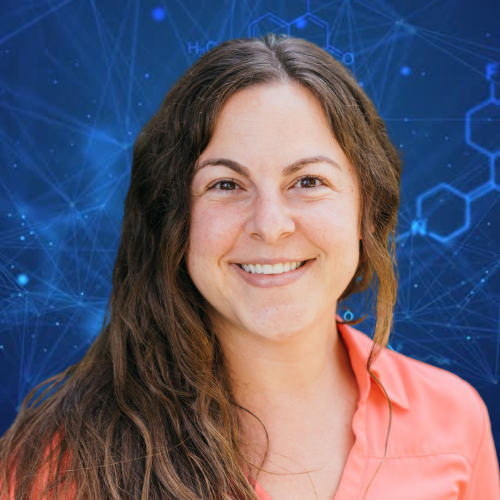
Lindsay Pino
USA
Lindsay Pino
USA
What is your current position and location?
I am the CTO and cofounder of Talus Bio, located in Seattle, WA, USA.
How did you get started in the field of proteomics?
I first got interested in proteomics during high school after reading poetry written by Mattie Stepanek, who had mitochondrial myopathy. I was shocked and saddened that we knew exactly the mechanism of his disease, but had no way to treat it. This sparked my interest in biochemistry and molecular biology, which led to undergraduate research using proteomics to study mitochondrial ribosomes. After a few side adventures, including teaching TOEFL in South Korea for two years, I landed at Dr. Steve Carr's Proteomics Platform at the Broad Institute and really cemented my passion for proteomics there.
What does being a member of HUPO mean to you?
The community and support that HUPO provides is truly special. Beyond amazing technical education and staying up-to-date with the latest research, HUPO has a very dedicated interest in helping mentor, guide, and inspire early career scientists beyond the conference itself, which I think is pretty unique among professional societies.
What makes your research program exciting and unique?
In my lab at Talus Bio, we're putting proteomics front and center in drug discovery. Proteins are the target and the mechanism for so many therapeutics, however the power and scale of proteomics is rarely used in the early stages of hit discovery. Chemical proteomics is giving us opportunities to target proteins that have previously been written off as "undruggable", and this will mean we can tackle diseases and conditions that were considered impossible to treat.
What are your interests outside the lab?
I've recently hooked up my Kindle to my library card, so I've been reading a lot lately! Right now, I'm working through Living Medicine and Dragonriders of Pern, so a mix of non-fiction and sci-fi/fantasy. I also like running 5Ks around the local park here in Seattle, and every Saturday morning I take my two-year-old son to the Woodland Park Zoo in Seattle.
Where do you envision the field of proteomics in the next 10 years?
I would like to see proteomics talked about more broadly in society. Like how “DNA” and “sequencing” are fairly household terms, and now “mRNA” is pretty widely understood, I want to see “proteomics” gain that level of discourse in society. To do that, I think our challenge for the next decade will be to branch out into more diverse scientific collaborations to demonstrate the value of proteomics, engage more frequently with stakeholders who aren’t scientists themselves, and showcase examples of how proteomics can transform human health.
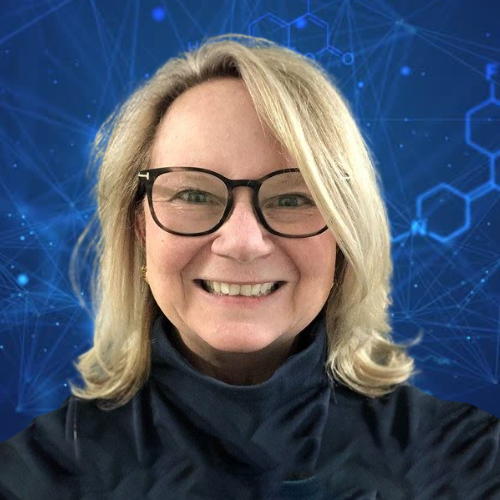
Jennifer Van Eyk
USA
Jennifer Van Eyk
USA
What is your current position and location?
I am the Director of the Advanced Clinical Biosystems Research Institute, Co-Director of Cedars-Sinai Precision Health, Founder and Director of Cedars-Sinai Precision Biomarker Laboratories, Basic Science Director of the Barbra Streisand Women’s Heart Center, and Erika Glazer Endowed Chair in Women’s Heart Health.
How did you get started in the field of proteomics?
The recognition that troponin, which regulates muscle contraction, was highly modified in both health and disease and that these forms circulate in the blood of individuals with heart disease. Finding methods that allowed us to quantify the disease-induced modified forms of the contractile proteins started us on the road to proteomics.
What does being a member of HUPO mean to you?
It is our only proteomics society, and proteomics is important to understand life and to impact medicine. It brings together our community.
What makes your research program exciting and unique?
The scientists who have come together in our group to try to change how medicine is practiced. They are able to dream big, work with wonderful clinical and industry partners to try to impact medicine. No dream is too big.
What are your interests outside the lab?
My family. But also swimming, reading, painting, hiking, and cross-country skiing.
Where do you envision the field of proteomics in the next 10 years?
I envision proteomics making an impact beyond human disease to all aspects of the world.
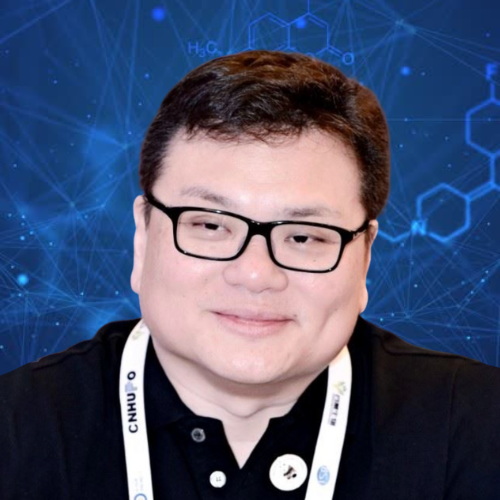
Teck Yew Low
Malaysia
Teck Yew Low
Malaysia
What is your current position and location?
I am an Associate Professor at the National University of Malaysia (UKM) in Kuala Lumpur. My wife and I returned to my home country in 2018. Additionally, I serve as the Secretary-General of Asia Oceania HUPO (AOHUPO).
How did you get started in the field of proteomics?
I began my journey in proteomics in the early 2000s as a postgraduate student at the National University of Singapore, working under the guidance of Professor Max Chung. My initial research focused on using 2D gels to compare rat models of liver cirrhosis. Realizing that LC-MS was poised to become the future of proteomics, I transitioned to Newman Sze's lab. I later moved to CEBI in Denmark to work with Jens Andersen, followed by a stint with Albert Heck at Utrecht University. These experiences provided me with invaluable opportunities to work alongside some of the leading experts in the field. I am deeply grateful to have these mentors and friends, and Max and Albert have been supportive of my development until today.
What does being a member of HUPO mean to you?
I joined HUPO somewhat by accident when I discovered that becoming a member would give me a discounted rate for my first HUPO Congress in Madrid in 2014. However, this fortuitous decision quickly turned into something much more meaningful. HUPO introduced me to a community rich with friendship and support, which inspired me to get more actively involved. My roles as Secretary-General of AOHUPO and a HUPO diversity candidate in 2021 reflect this deepening involvement. Being a part of HUPO feels like belonging to a large, supportive family where mentorship and moral support are always available. I greatly appreciate the advice and mentorship given to me by Ho Jeong, Yu-Ju, Yasushi, Terence, and Xu Ping. Members like Tiannan Guo and Chris Tan have been particularly generous, providing support and access to state-of-the-art instruments. This sense of community drives my desire to bridge less developed regions to HUPO, especially in Southeast Asia, including Myanmar, where my wife is from.
What makes your research program exciting and unique?
What makes my research program exciting and unique is its focus on cancer biomarkers and the exploration of short and non-canonical open reading frames, which are still relatively underexplored areas in the field. I also work with clinicians, both directly and indirectly, to bridge the gap between scientific research and medical practice, even when we navigate different professional languages. My exposure to biobanks and the regulations surrounding human specimens adds more depth to my research. This region’s unique genetic background and prevalent diseases offer distinct opportunities for discovery, though working in a somewhat isolated community can make staying current with the latest developments challenging. HUPO and its members have been invaluable in helping me stay connected and informed.
What are your interests outside the lab?
Outside the lab, I have a deep passion for traveling, especially in Europe, where I’ve enjoyed exploring diverse cultures and landscapes. When I return to Malaysia, food hunting becomes a favorite activity as I seek out local culinary gems that reflect the rich cultural diversity of this melting pot. Hosting friends and ex-colleagues from overseas has also been a rewarding part of these experiences. Therefore, you can contact me if you happen to visit Malaysia. Photography naturally complements my love for travel, allowing me to capture the beauty of the places I visit. Additionally, I am an avid reader interested in Egypt, archaeology, and ancient civilizations, which provide a fascinating window into the past.
Where do you envision the field of proteomics in the next 10 years?
I envision proteomics technologies like MS, Olink, and SomaScan becoming integral to routine clinical testing, establishing them as essential tools in personalized medicine. Combining AI with proteomics, digital pathology, and MS imaging will likely revolutionize data analysis, providing faster and more accurate insights. AI could also lower newcomers' barriers to omics and multi-omics data analysis, integration, and interpretation, allowing scientists to shift from analytical tasks to more creative endeavors. Additionally, I anticipate the expansion of state-of-the-art collaborative facilities in less developed countries, offering scientists in these regions access to cutting-edge technologies and the opportunity to make significant contributions to global research. I would love to be a part of initializing this transition. As proteomics becomes more embedded in local contexts, it will be crucial in addressing region-specific challenges. In this regard, I view Albert Heck, through initiatives like PrimeXS and Proteins@Work, as a role model for facility sharing and fostering collaborative environments.
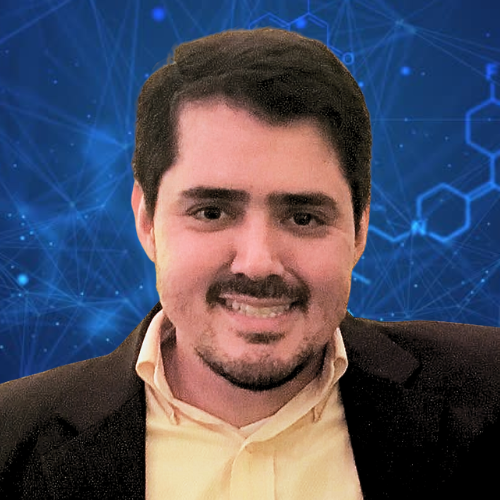
Fabio Nogueira
Brazil
Fabio Nogueira
Brazil
What is your current position and location?
I am currently an Associate Professor at the Department of Biochemistry, Federal University of Rio de Janeiro (UFRJ), Brazil. Coordinator of the Proteomics Unit of the Precision Medicine Research Center and the Proteomics Laboratory of the Technological Development Support Laboratory, both at UFRJ.
How did you get started in the field of proteomics?
My first contact with proteomics was during my undergraduate course in Biology in a Brazilian Program of Scientific Initiation, in 2002. During this period, I was determining the proteome profile of aggregated cells from cowpea and cassava explants competent or not for somatic embryogenesis under the supervision of Prof. Francisco A. P. Campos. For this project, we did a lot of 2-Dimensional Electrophoresis, spot excision, and MALDI-TOF mass spectrometry analysis. For MS analysis, I met my supervisor Prof. Gilberto B. Domont, and the world of proteomics expanded for me. I got fascinated with the mass spectrometer and the possibilities of proteomics. From then until now, and certainly for a long time to come, I have been passionate about mass spectrometry-based proteomics, where I decided to pursue my scientific career.
What does being a member of HUPO mean to you?
It is an honour. My first HUPO conference was in Geneva in 2011. I am extremely happy to be part of HUPO, which addresses some of the most exciting biological questions nowadays. Also, it is impressive to follow all the technological advances in the community. Yet, the most important aspect is the people who make up this vast community. Without them, there wouldn't be such a diverse ecosystem, rich in wisdom and culture, which HUPO manages to bring together and put into interaction. I love going to HUPO conferences to witness scientific advances, but also to meet and make new friends.
What makes your research program exciting and unique?
My interests in proteomics are broad, from basic biology/disease to plant proteomics, developing and applying new approaches in quantitative and PTM analysis. I am happy and excited to be part of the development of proteomics and mass spectrometry in one of its most ambitious projects – The Human Proteome Project. Our lab is a member of the Chromosome-Centric Human Protein Project – chromosome 15th. Our group aims to develop frontier research in proteomics to identify and quantify biomolecules of biotechnological interest and biomarkers of certain biological states and diseases in the context of precision medicine for chronic, infectious, and rare diseases.
What are your interests outside the lab?
In my spare time, I like to spend it with my family, my almost five-year-old son, and friends. I like reading, movies, travelling, running, going to the beach, and, above all, meeting friends at the pub to exchange ideas.
Where do you envision the field of proteomics in the next 10 years?
In the next ten years, my first wish would be to see proteomics have a “social life” like genomics — on people's lips, in undergraduate courses, on television, in advertisements. With the advances in MS-based proteomics together with other omics and artificial intelligence, I also see proteomics as having a lot of potential to change people's lives in terms of health and disease, as well as their environment. For this reason, I think proteomics will play a key role in interpreting biological phenomena and revolutionizing precision medicine.
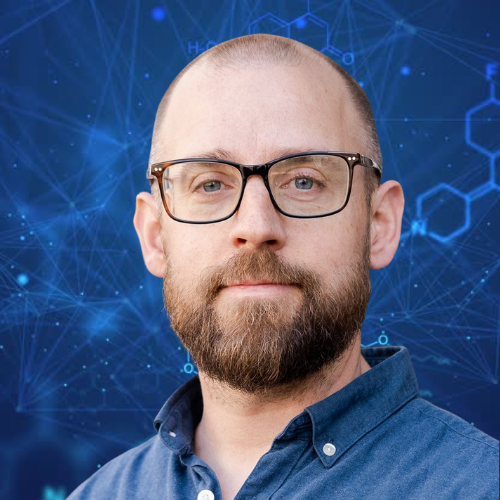
Roland Bruderer
Switzerland
Roland Bruderer
Switzerland
What is your current position and location?
I am the Head of Research and Development for LC-MS workflows at Biognosys AG, located in Switzerland.
How did you get started in the field of proteomics?
My journey in proteomics began with an interest in the structures of proteins and enzyme activity assays. When Ruedi Aebersold returned to ETH Zurich during my PhD, I had my first collaborative proteomics experiment on the ubiquitylation of the kinase Aurora B. It failed but sparked my interest in MS-based proteomics research. After my PhD at ETH Zurich, I joined Ron Hay’s laboratory at the University of Dundee to learn SILAC-labeled proteomics and applied it to the SUMO modification system. I worked with iPSCs at the Wilmut laboratory in the University of Edinburgh. During that time, I gained expertise in MS instrument maintenance, acquisition, and data analysis under the guidance of Ivan Matic and Mike Tatham. Upon returning to Switzerland in 2012, I contributed to the development of DIA (Data-Independent Acquisition) methods at both Ruedi Aebersold’s lab and Biognosys. In my initial work, we developed both DIA methods and targeted and untargeted DIA analysis and benchmarked it against state-of-the-art DDA workflows.
What does being a member of HUPO mean to you?
My first HUPO was in Geneva in 2011. I was fascinated by the Chromosome-Centric Human Proteome Project (C-HPP), where chromosomes were assigned to countries to work on. With my growing years in proteomics, HUPO has always been a great and welcoming place to meet friends and collaborators and to stay up to date with new developments. This exchange is very important for our research field.
What makes your research program exciting and unique?
The combination of a thorough understanding and research of both fundamental mechanisms of LC-MS and its data analysis enable us to develop combinations that are optimally suited for very different proteomics workflows. This includes, for example, the cellular proteome, blood plasma, or immunopeptidome. Recently, the additional branch of structural proteomics and global protein structure prediction solutions has enabled exciting opportunities for technology development and drug development support.
What are your interests outside the lab?
I love winter mountains and riding a fresh powder slope with my snowboard. I love undertaking adventurous activities with my family. I enjoy multiple sports and participate actively (running, soccer, and basketball). I like BBQ evenings in our garden with friends.
Where do you envision the field of proteomics in the next 10 years?
It will continue to be an active, fast-moving area of research. I hope that the deeper knowledge of the proteome of organisms enables more efficient and selective drug development. Robust and fast proteome analyses will enable more holistic screening and diagnosis of health status. With this, the research can really benefit the lives of patients.
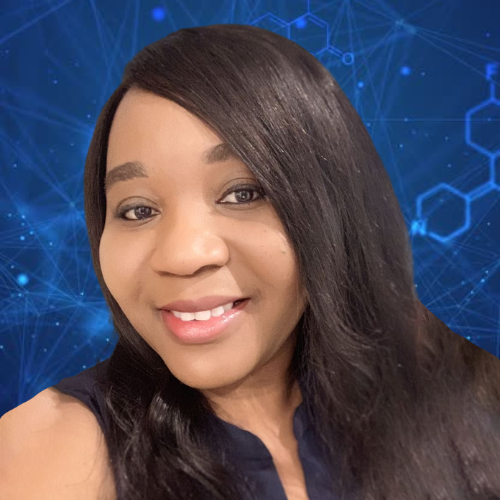
Mariette Matondo
France
Mariette Matondo
France
What is your current position and location?
I am the Head of the Proteomics Core Facility at the Institut Pasteur in Paris, in the Department of Structural Biology and Chemistry (DBSC). Visit our team page.
How did you get started in the field of proteomics?
I began my journey in proteomics in 2005 as a Master's student with Anne Gonzalez de Peredo in the Mass Spectrometry and Proteomics Laboratory led by Dr. B. Monsarrat at IPBS-CNRS in Toulouse. This was the only research and proteomics facility in Toulouse at the time. I continued in this lab as a Ph.D. student under the supervision of Dr. B. Monsarrat and Dr. O. Burlet-Schiltz. I was fortunate to work with one of the first Orbitrap mass spectrometers. My Ph.D. project focused on determining differentially regulated proteins upon proteasome inhibition in AML cell lines through a combination of large-scale and targeted quantitative proteomics. After earning my Ph.D., I joined Dr. Ruedi Aebersold’s lab at ETH Zurich as a postdoc, where I further specialized in targeted proteomics using SRM and continued my research in the field of MS-based proteomics. Since September 2013, I have been leading the Proteomics Core Facility at the Institut Pasteur.
What does being a member of HUPO mean to you?
Being a member of HUPO holds deep significance for me. My first HUPO conference was in Geneva in 2011, and HUPO Boston 2012 was a pivotal event for my career, where I met people who helped me discuss my current position. Over the past years, I have attended most HUPO congresses. Being part of the HUPO community, where I can share my research, gain insights from others, and collaborate with fellow scientists who share a passion for proteomics, truly makes me feel fortunate and valued.
What makes your research program exciting and unique?
In my lab, we use MS-based proteomics to identify and quantify proteins and their modifications, particularly in the context of infectious diseases. To achieve this, we combine multiple proteomics approaches, from bottom-up to top-down proteomics, and from label-free to label-based methods, utilizing both data-dependent acquisition (DDA) and data-independent acquisition (DIA) techniques. As a core facility, our main mission is to develop and implement robust methods to achieve our goals and provide the best results to our collaborators. We actively collaborate with many scientists at the Institut Pasteur and with national and international collaborators, supporting their research endeavors. We recently joined the world of single-cell proteomics, and I am really looking forward to seeing how this will boost science and the discovery of potential novel candidate markers and vaccines.
What are your interests outside the lab?
Outside of the lab, I enjoy every moment spent with my family. I am a mom of two marvelous kids, aged 6 and 9. My kids are full of energy and inspiration, which makes my life very exciting. Besides family time, I read a lot of books and enjoy good movies. From time to time, I also love to indulge in the pleasures of French life: good wine, good meals, and spending time with friends.
Where do you envision the field of proteomics in the next 10 years?
Over the next decade, I anticipate significant transformations and expansions in the field of proteomics, embracing a wider array of non-MS technologies. Innovations such as Olink and nanopore methodologies for single-molecule analysis will become instrumental in the detection and quantification of thousands of proteins within extensive patient cohorts. Nevertheless, I firmly believe that MS-based proteomics will encounter numerous challenges while continuously evolving to unveil myriad new possibilities. Challenges persist, particularly in areas such as post-translational modifications (PTMs), protein complexes, and dynamics.
The transition from bulk proteomics to single-cell proteomics marks a substantial advancement, ushering in fresh perspectives and opportunities. Advancements in single-cell analysis will empower us to intricately characterize the cellular contents of individual cells, elucidating the complexities of cell heterogeneity and addressing pivotal biological inquiries, notably within the realms of cancer and infectious diseases.
Furthermore, the advent of AI will catalyze the analysis of the vast and complex datasets generated by mass spectrometry instruments, which are becoming faster, higher in resolution, and more sensitive. The ongoing development of innovative data analysis and bioinformatics tools will therefore remain a focal point and a pivotal element in shaping the future of proteomics research.
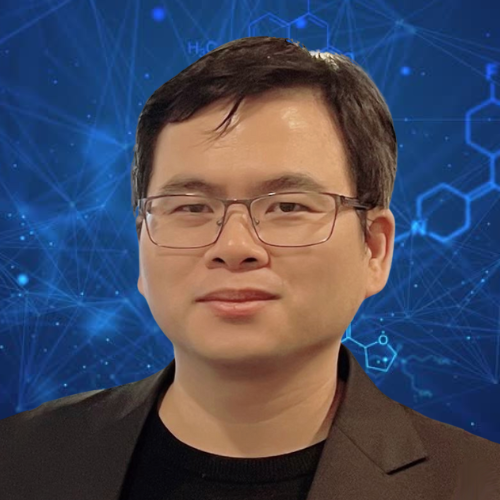
Yansheng Liu
USA
Yansheng Liu
USA
What is your current position and location?
I am an Associate Professor in the Department of Pharmacology at Yale University School of Medicine, located in New Haven, Connecticut. My lab (https://www.yslproteomics.org/), however, is situated at the Yale Cancer Biology Institute on the Yale West Campus in West Haven, which is about a 15-minute drive from New Haven.
How did you get started in the field of proteomics?
I began my journey in proteomics in 2005 as a Ph.D. student at the Shanghai Institutes for Biological Sciences, Chinese Academy of Sciences. My Ph.D. lab, led by Dr. Rong Zeng, was one of the earliest proteomics laboratories in China. I was fortunate to work with one of the first Orbitrap mass spectrometers. My dissertation was entitled "Cancer biomarker discovery based on multiplexed quantitative proteomic strategies." After earning my Ph.D., I joined Dr. Ruedi Aebersold’s lab at ETH Zurich as a postdoc, where I further specialized in DIA-MS and continued my research in the field. So next year will mark my 20th anniversary in proteomics!
What does being a member of HUPO mean to you?
Being a member of HUPO holds deep significance for me. My first major international conference was HUPO Sydney 2010, not only my first journey outside of China but also the pivotal event where I met Ruedi Aebersold and was accepted as a postdoc in his lab. Over the past 14 years, I have attended most HUPO congresses and now serve on both the HUPO Award Committee and the HUPO Education and Training Committee. I was deeply honored to win the HUPO ECR Manuscript Competition award at HUPO Reconnect 2021. Being part of the HUPO community, where I can share my research, gain insights from others, and collaborate with fellow scientists who share a passion for proteomics, truly makes me feel fortunate and valued. Reflecting on the Chinese proverb, “The joy of meeting an old friend in a foreign land is one of life’s greatest pleasures,” I resonate with this sentiment each time I attend a HUPO conference.
What makes your research program exciting and unique?
In my lab, we are dedicated to addressing a fundamental question: Can we measure not only the abundance of any given protein or its modifications but also determine and comprehend their persistence within a cell system? This research focus has catalyzed several exciting directions. First, we have integrated pulse-chase SILAC labeling (pSILAC) with DIA-MS, or plex-DIA, to measure protein turnover rates on a large scale. We've optimized the mass spectrometry methods on our Lumos Orbitrap MS and developed a bioinformatics pipeline to accurately determine protein lifetimes. Second, we ventured into uncharted territory by “marrying” protein turnover measurements with post-translational modification (PTM) profiling, such as phosphoproteomics. This approach allows us to explore how site-specific phosphorylation impacts protein turnover. Interestingly, we've observed that phosphorylation often reduces protein turnover, a phenomenon that was underappreciated in previous studies. Third, we have applied protein turnover measurements across various biological and disease contexts, including cancer aneuploidy, cell starvation, and cell fate decisions. One of our recent discoveries revealed that protein turnover control varies significantly among different “gain-type” and “loss-type” lung cancer aneuploidies. Together, our goal is to augment the traditional “abundance-centric” perspective with a “lifetime-centric” view on proteins and PTMs, thereby establishing a new paradigm in protein research that spans basic and translational sciences.
In addition to our primary research focus, we are also deeply engaged in understanding biodiversity between human individuals and other species on Earth through proteomics and PTM profiling. Furthermore, we actively collaborate with many local Yale scientists and other global collaborators, supporting their research endeavors, as I firmly believe in the transformative power of proteomics in modern biology.
What are your interests outside the lab?
Outside of the lab, I treasure every moment spent with my wife and our energetic 3.5-year-old son. Besides family time, I dive into the worlds of science fiction novels, classics like Dream of the Red Chamber, and those endlessly fascinating Chinese cultivation and immortal novels—not to mention a good movie binge. These are my favorite ways to blissfully ignore the passage of time. As for exercise, I once wielded a badminton racket, but I've recently traded it in for a home treadmill. I must admit, it’s definitely less smashing!
Where do you envision the field of proteomics in the next 10 years?
Over the next ten years, I envision the field of proteomics expanding to broadly encompass a wider array of non-MS technologies. The detection and quantification of proteins, particularly at the total protein level and in clinical applications, will likely see the emergence of many non-MS technologies. These new methods may compete with, and in some areas surpass, mass spectrometry. Technologies such as multiplex antibody techniques, SomaScan, Olink-like technologies, super-resolution imaging for direct observation of peptide sequences or PTM structures, and nanopore approaches for single-molecule analysis are poised to make significant strides and challenge MS experts.
Additionally, I believe that mass spectrometry will not become obsolete but will continue to develop rapidly. For example, the MS-based analysis of post-translational modifications (PTMs) and protein dynamics, including protein turnover as we are exploring in our lab, will remain essential. Mass spectrometry will continue to generate vast and complex datasets, such as those involving giant patient cohorts, in the future. The development of innovative data analysis and bioinformatics tools will remain a hot topic. Over the next ten years, we might see AI tools like transformers become mainstream in mass spectrometry data analysis and even in routine protein identification and quantification. However, we will also continue to face challenges with data noise, practical issues with sample preparation, and the stability of mass spectrometry systems (especially the LC!).
Moreover, an especially exciting area I foresee is spatial proteomics. My lab recently began incorporating ion mobility separation and MALDI MS imaging into our toolkit. Although these are new territories for us, these emerging spatial “omics” and spatial proteomics analyses will uncover the cell-type heterogeneity in the disease process, uncovering new disease dependencies and vulnerabilities.
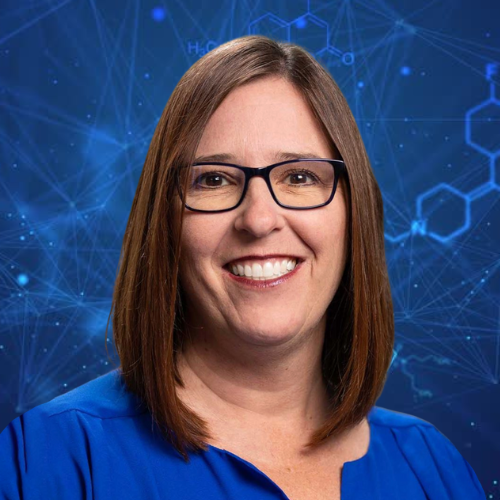
Sheri Wilcox
USA
Sheri Wilcox
USA
What is your current position and location?
I am the Vice President of Probe Development and Bioinformatics at Nautilus Biotechnology. “Probes” are the general term we use for any type of affinity reagent we develop to bind to short stretches of amino acids (typically 2–4) within protein sequences. We have labs in San Carlos and San Diego, California, and offices in Seattle, Washington.
How did you get started in the field of proteomics?
I knew I wanted to transition to industry when I finished graduate school, where I had focused on protein engineering and kinetics. I also knew proteins were my primary area of interest. I had the opportunity to do my post-doc in the protein science unit at Pharmacia & Upjohn (since acquired by Pfizer), which included proteomics. When I was finishing my post-doc, I reached out to several biotech companies and joined SomaLogic in 2001—and have been involved in developing novel proteomic technologies ever since.
What does being a member of HUPO mean to you?
I appreciate the opportunity to connect with colleagues throughout the world who have similar interests, even though we often have very different approaches to how we study proteins. I’ve been on the Industry Advisory Board for several years, so I also value the chance to contribute to the industry voice within the HUPO community.
What makes your research program exciting and unique?
We are developing a novel single-molecule proteomics platform at Nautilus. We will essentially count each protein identified in a sample, which makes quantification more straightforward than in many existing technologies. We also gather that information molecule by molecule, which we expect will provide unique insights about the proteins identified compared to bulk assays. Launching something completely new is both exciting and challenging. The prospect of generating proteomic data that complement existing technologies is equally thrilling, since it allows us to learn even more by leveraging the full range of analytical tools available.
What are your interests outside the lab?
I love to travel to new places, especially when my adult children are able to join us. I was a Classical Studies minor in college, so I particularly enjoy visiting places with older cultures and seeing ancient ruins. I also enjoy trying new foods and experiences. In addition, I am involved in several mentoring programs. I’m especially passionate about mentoring female graduate students to help them recognize that what they’re experiencing is normal, that they will get through it, and that it’s worth it. I’ve mentored through the Women in Science and Engineering group at the University of Colorado Boulder, my alma mater graduate program at The Scripps Research Institute, and through ASBMB.
Where do you envision the field of proteomics in the next 10 years?
There are so many technical advances right now that I believe our understanding of biology will greatly benefit from them. I am hopeful that we’ll see stronger translation into the clinic as the vast amounts of data generated help us find patterns and make predictions about disease states and treatments much earlier than we can today.
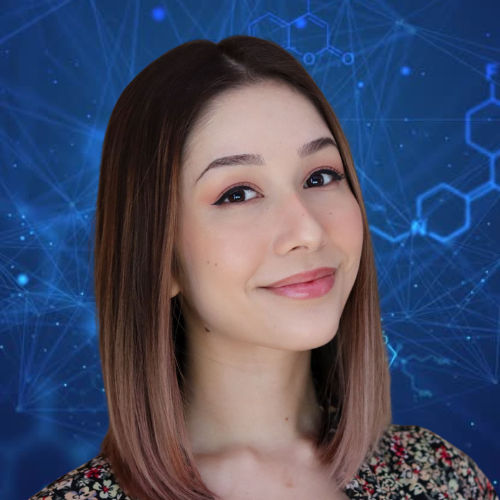
Emily Hashimoto-Roth
Canada
Emily Hashimoto-Roth
Canada
What is your current position and location?
I’m a PhD student in computational biology supervised by Dr. Hannes Röst at the University of Toronto. Previously, I completed my Master’s at the University of Ottawa, under the co-supervision of Dr. Mathieu Lavallée-Adam and Dr. Steffany Bennett.
How did you get started in the field of proteomics?
I was introduced to the field of proteomics during my undergraduate research project, where I met Dr. Lavallée-Adam. More specifically, I was introduced to mass spectrometry–based proteomics and the methods used for investigating protein–protein interactions. Further learning about bioinformatics and how machine learning can be applied to biological questions got me hooked!
What does being a member of HUPO mean to you?
I quickly learned that the proteomics community is a welcoming and great place for early career researchers to learn and grow. Being a member of HUPO is one of many ways I feel connected to this community. Additionally, joining the HUPO Early Career Researcher Committee and the Marketing and Outreach Committee has been an amazing experience. Through them, I have met—and continue to work with—proteomics researchers all over the world on other aspects of research, such as the dissemination of work by organizing online seminars.
What makes your research program exciting and unique?
The Röst lab does a lot of innovative work in method development for data-independent acquisition mass spectrometry, but also contributes to numerous clinically driven projects. In particular, my thesis focuses on using mass spectrometry–based proteomics, lipidomics, and metabolomics to investigate the link between gestational and type II diabetes mellitus and new means for identifying women at high risk of developing gestational diabetes early in pregnancy. Mass spectrometry methods are great for characterizing disease pathology, generating a vast playground of data for computational biologists-in-training (such as myself!) to work with and learn from. The nature of this research is, additionally, highly collaborative. With local and international collaborators, there have been many opportunities to meet other computational biologists, epidemiologists, and very talented mass spectrometry researchers.
What are your interests outside the lab?
All things food. I love trying new restaurants and cooking and baking at home! As a baker first, some of my more recent creations include blueberry scones and focaccia from scratch.
Where do you envision the field of proteomics in the next 10 years?
I hope that, in ten years’ time, proteomics (and metabolomics!) will be more robust and translated into clinical settings, as well as taught more at the undergraduate level.
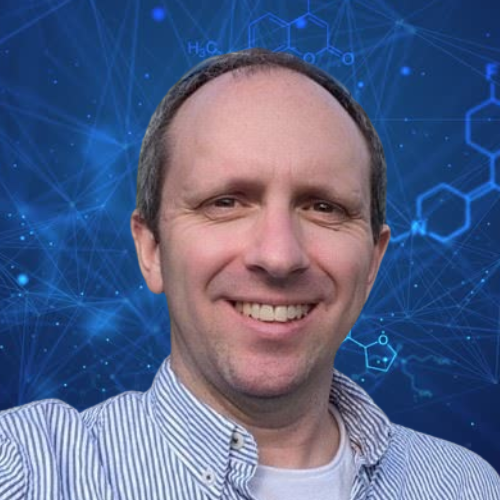
Ben Collins
UK
Ben Collins
UK
What is your current position and location?
I am a Reader in the School of Biological Sciences at Queen’s University Belfast (https://collinslab.net/). The first question people always ask is, “What the heck’s a Reader?” This is (more or less) an Associate Professor in the older British system of academic ranking. Maybe one day they will change this and I won’t have to explain anymore. The alternative would be to just get promoted to full Professor, I suppose 🙂
How did you get started in the field of proteomics?
I remember reading some popular science books as an undergraduate focused on genomics in the aftermath of the Human Genome Project. These books assured me that proteomics was going to be the next big thing—and apparently I believed them. I did an MSc project in a bacterial proteomics lab (mostly gels) and a PhD/postdoc where I was able to move into mass spectrometry and get my hands dirty. The MS part really spoke to me, having been a chemistry undergrad and then an analytical chemist in industry for a bit. The interface of such analytical technologies with modern molecular biology seemed very compelling. After this I moved to Ruedi Aebersold’s lab in Zurich, where there was a strong systems biology motivation to all of the work—and the rest is history.
What does being a member of HUPO mean to you?
My first HUPO experience was back in 2006 at the meeting in Long Beach, California. This was a truly formative experience for me because I was a new graduate student coming from a more technical analytical chemistry background and I did not know so much about proteins or biology. When I saw the breadth and depth of what could be done in proteomics, and the level of biological complexity these scientists were hoping to address in their work, I was really blown away. This experience has stayed with me for a long time, and although I have since attended many great HUPO meetings, the impact of that first one was profound. So, this brings me to a more general comment about where I think HUPO fits as an organization. Of course, HUPO does many things and has many excellent initiatives, but the role that seems most critical to me is bridging the gap between technologists in proteomics and the wider world of biology. This sounds like a somewhat trivial connection, but I don’t think it is—it remains a big challenge, and I’m very happy that an organization like HUPO exists to help bridge it. This is why I was so honoured to share the Discovery in Proteomics Sciences Award a few years ago. These days, I’m happy to participate as a member of the HUPO Education and Training Committee.
What makes your research program exciting and unique?
We work at the interface of a few topics that I think have a lot of synergy. First, we focus on improving analytical methodology for quantitative proteomics, particularly DIA-based methods. It has been gratifying to see this approach grow from somewhat of a technical novelty to now a mainstay of proteomics research. Second, we work on protein–protein interactions and complexes—an area where much biology is encoded but where we still need greatly improved methods to decipher it. This is especially true for understanding the reorganization of complexes in perturbed systems. Thirdly, we apply our methods in a variety of collaborative research areas, mainly immunity, host–pathogen interactions, and cancer biology. In the last few years, I have become convinced that proteomics is becoming absolutely central to drug discovery and development, and we are actively building collaborations and projects in that area.
What are your interests outside the lab?
The largest part of my time outside the lab is spent having fun with my family. But in terms of personal interests, I’m a big fan of the popularization of science, and someday I’d like to get more involved in that kind of activity (maybe write a book?). After the COVID-19 lockdowns were behind us, I decided on a whim to take up Brazilian jiu-jitsu, and I’ve discovered that this kind of workout can really relieve the stress of a tough day in the lab! I am also a (very) amateur chess player.
Where do you envision the field of proteomics in the next 10 years?
The improvements in “vanilla” quantitative proteomics experiments over the last decade have been astonishing, and I think this progress will continue. But technologies to characterize protein complexes, proteoforms, structural conformations, and modifications still have a very long way to go. We’re in the somewhat counterintuitive situation of having made huge progress but with dramatically more still left to do. If we can make a big dent in these problems from a technology development perspective over the next 10 years, it would be fantastic for achieving deep and systematic biological understanding. We should not, however, wait for technological maturity to work on applications. Many groups have high hopes for clinical applications—which is great—but my eye is increasingly drawn to how proteomics can facilitate drug discovery and development.
Qingsong Lin
Singapore
Qingsong Lin
Singapore
What is your current position and location?
I am currently the Director of the Protein and Proteomics Centre (PPC) at the National University of Singapore. I also serve as the corresponding principal investigator of SingMass, the Singapore National Laboratory for Mass Spectrometry—a consortium offering holistic solutions for mass spectrometry applications and technology advancement to Singapore’s research community and the broader industry.
How did you get started in the field of proteomics?
I was first introduced to mass spectrometry during my PhD studies at the University of Toronto, Canada, where my research focused on the structure and function of antifreeze proteins. Toward the conclusion of my PhD, I had the opportunity to learn mass spectrometry operations and used it to determine the molecular weights of antifreeze peptides and proteins. In 2001, while finalizing my PhD thesis, I followed my supervisor to the National University of Singapore and played a pivotal role in establishing the Protein and Proteomics Centre. Since then, my work has been primarily centered on proteomics projects.
What does being a member of HUPO mean to you?
Joining the proteomics field when HUPO was in its nascent stages, I had the privilege of observing its evolution into the leading society in the domain. Being a HUPO member has enriched my experiences immensely. The annual congresses have been invaluable, not only in broadening my knowledge but also in fostering connections with numerous peers. These relationships and insights have significantly catalyzed my career growth.
What makes your research program exciting and unique?
The uniqueness of my research program stems from its multifaceted nature within a proteomics core facility. This setting has allowed me to engage with a myriad of projects and diverse samples—from microorganisms like viruses and bacteria to larger entities such as plants and animals. This extensive exposure has enriched my experience immensely.
My academic foundation in biochemistry and molecular biology has provided me with a distinct advantage in experimental design, sample preparation, and data interpretation. Over two decades, I've harnessed qualitative and quantitative proteomics to tackle an array of biological questions, encompassing everything from cancer biomarker studies to the intricate molecular mechanisms of autophagy and drug target identification.
Beyond my research endeavors, I’ve been a linchpin in supporting and mentoring users at the PPC core facility. Notably, I’ve recently ventured into the integration of proteomics and mass spectrometry in food sciences—a focal research area in Singapore. This journey has led me to unveil allergens in innovative food sources such as plant-based and cultured meats, and to improve the shelf life of leafy greens through strategic pre-harvest interventions. With plans to delve into aquaculture—focusing on nutrition, disease mitigation, and breeding—I remain confident that proteomics will be a game-changer in these pioneering fields.
What are your interests outside the lab?
Growing up on an island instilled in me a love for swimming from a young age. While I may not swim at a professional level, the tranquility I find in water has always been an effective stress reliever. I occasionally train with the staff swimming team and have even taken part in a few competitions. The camaraderie and team spirit during these events are always a highlight. Apart from swimming, I enjoy biking with my son on weekends—it’s not only a great way to unwind but also an effective calorie burner. Additionally, I practice Qi Gong, a traditional Chinese exercise, which I believe greatly benefits overall health.
Where do you envision the field of proteomics in the next 10 years?
In the next decade, I anticipate significant evolution and growth in the field of proteomics. While advancements in highly sensitive mass spectrometers, specific binding partners for human proteins, single-cell technologies, and the integration of databases and artificial intelligence have catapulted human biomedical research to new heights, there remains a notable gap in proteomics applications for other organisms, particularly non-model species. As more researchers apply proteomic techniques across diverse biological disciplines, including intersecting fields like environmental biology, there is immense potential for groundbreaking discoveries. The next 10 years will likely witness a surge in insights and knowledge in these lesser-tapped domains—bridging the current disparity and truly harnessing the full power of proteomics.
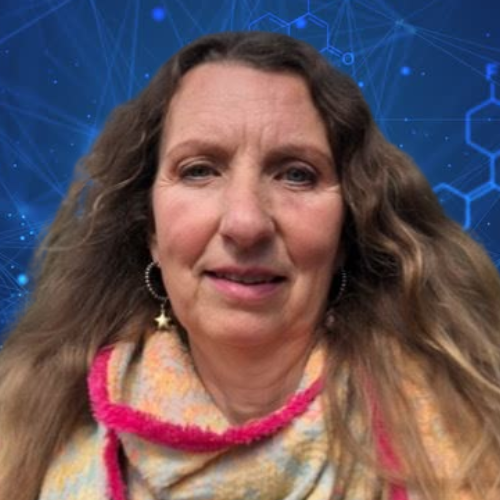
Connie Jimenez
Netherlands
Connie Jimenez
Netherlands
What is your current position and location?
I am a Full Professor of Translational OncoProteomics, Principal Investigator of the OncoProteomics Laboratory, and Director of the Proteomics Core Resource, all at Amsterdam University Medical Center, in the beautiful city of Amsterdam where I was born, in The Netherlands.
How did you get started in the field of proteomics?
I fell in love with mass spectrometry early in my scientific career when I was a PhD student in the field of neurobiology at the Vrije Universiteit in Amsterdam under the supervision of Dr. Ka Wan Li. Starting in 1992, I applied MALDI-TOF-MS to single dissected giant neurons of the snail brain to understand neuropeptide neurotransmission. This single-cell profiling worked miraculously well, detecting by mass all the known neuropeptides and identifying many more. It took two years to characterize them by Edman degradation and later, when tandem MS of peptides became available. Today, all sequencing could have been done in a short time from a single cell! In the following years, the field of “biological mass spectrometry” evolved into proteomics. My first steps into proteomics were in the laboratory of Prof. Al Burlingame at UCSF, San Francisco. After my post-doc in the US, I moved back to Amsterdam where, in 2006, I was fortunate to receive a start-up grant from the Cancer Center Amsterdam to found the OncoProteomics Laboratory (www.oncoproteomics.nl).
What does being a member of HUPO mean to you?
I am a team player by nature. I like to learn and be inspired by other people, to share best practices, to collaborate, and to perform studies that a single lab cannot do alone. To stimulate exchange in The Netherlands, I founded the Netherlands Proteomics Platform in the early proteomics days in 2001. At the European level, I currently serve as elected Vice-President of the European Proteomics Association. The international HUPO conferences are an excellent way to make new connections and start collaborations. As co-chair of the HUPO Cancer Project, I am very excited about the DIA-MS-based pan-cancer landscape of over 1,000 cancers that we generated with a few HUPO labs.
What makes your research program exciting and unique?
Clinical proteomics is our focus of interest. For large-scale profiling, we now apply data-independent acquisition mass spectrometry to study cancer tissues and clinical trial needle biopsies, urinary vesicles in cancer, and cerebrospinal fluid in dementias, to name a few spear points. Being based at an academic medical hospital enables close clinical collaboration and gives us access to unique clinical sample series and work on real clinical needs. In the oncology context, where personalized treatment requires analysis of single samples, I am particularly excited about phosphoproteomics coupled to our Integrative Inferred Kinase Activity (INKA) single-sample analysis approach—a powerful tool to prioritize actionable kinases for (combination) kinase inhibitor treatment of cancer.
What are your interests outside the lab?
I am interested in biohacking, natural health, and food as medicine. It is amazing what can be achieved with diet and lifestyle to feel fit and reverse chronic disease. In my free time, I love listening to podcasts with experts in these areas. I also enjoy simply sitting in my little yard when the sun shines and watching my rabbits, spending time with my two now-grown sons and husband, hanging out with them around the canals in our boat with some food and wine, or discovering new places on holidays that combine city visits with nature. Last but not least, being half Spanish, I love to visit Spain—to explore new places in this amazing country and visit my father who now lives there. Walking the Camino de Santiago when I find the time is definitely on my bucket list.
Where do you envision the field of proteomics in the next 10 years?
In ten years, I envision that mass spectrometry–based proteomics will have entered the clinic, where at least in some academic hospitals, clinicians will be able to order a plasma, CSF, or urinary (vesicle) proteome, or a tumor phosphoproteome. So much insight can be gained from comprehensive protein profiles and targeted analyses of disease signatures. I will work hard to make this happen.
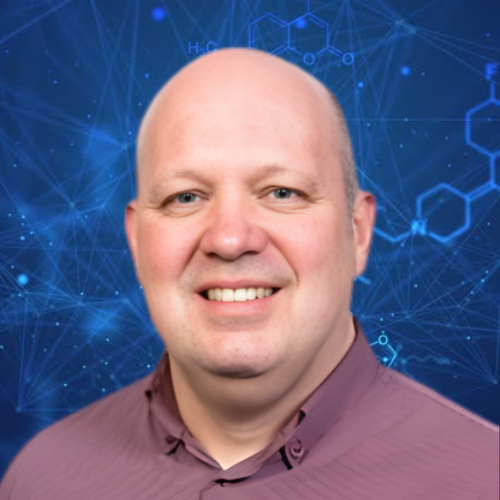
Juan Antonio Vizcaino
UK
What is your current position and location?
I am leading the Proteomics Team at the European Bioinformatics Institute (EMBL-EBI), located in Hinxton, south of Cambridge (UK). EMBL-EBI hosts the world’s largest collection of biological databases—such as UniProt, Ensembl, and the Protein Data Bank (PDB). My team manages the PRIDE database of mass spectrometry proteomics data, along with related tools and resources.
How did you get started in the field of proteomics?
Before working in bioinformatics, I completed an experimental Ph.D. in fungal molecular biology in Spain, where I also performed a few mass spectrometry experiments on peptides with antibiotic properties. After a brief first postdoc in computational genomics, I started a second postdoc at EMBL-EBI supervised by Lennart Martens, right as the PRIDE database began to gain traction. That experience introduced me to computational proteomics topics and concepts.
What does being a member of HUPO mean to you?
My first direct contact with HUPO was in 2009, when I attended my first meeting of the HUPO Proteomics Standards Initiative (PSI) and my first World HUPO Congress in Toronto. I’ve been fortunate to attend every PSI meeting and HUPO World Congress since—except Sydney 2010. Under HUPO’s umbrella, I’ve interacted with many colleagues and learned a great deal. This community-building role is what I value most about the organization.
What makes your research program exciting and unique?
PRIDE is the most widely used resource for storing and accessing MS-based proteomics datasets. We currently receive, on average, ~515 submitted datasets per month (about 25 per working day). The day-to-day effort to keep everything running smoothly is substantial, and data sharing in the public domain has become wonderfully popular. Our central role brings constant interactions with researchers worldwide.
In recent years, we’ve increasingly re-used public datasets for research and, more broadly, worked to make proteomics data more accessible and integrated with other bioinformatics resources—aiming to reach non-expert users. We collaborate closely with other EMBL-EBI resources, including UniProt, Ensembl, PDB, and Expression Atlas. Because proteomics approaches are so diverse, we’re privileged to work across many data resources and teams.
We also lead many open-science activities, including community efforts such as the PSI (developing open data standards) and ProteomeXchange, the international consortium of proteomics resources. It’s truly rewarding to collaborate with such a strong international network.
What are your interests outside the lab?
I spend most of my free time with friends and family, often traveling to and from Spain. I’ve always loved going to the cinema and I’m a bit of a geek for movie (and now TV) soundtracks. I also really like tennis—moving to the UK finally let me attend Wimbledon.
Where do you envision the field of proteomics in the next 10 years?
Among several parallel directions, I’d like to see proteomics become much more routinely used by the average biologist and clinician. Handling large numbers of samples—comparable to transcriptomics-scale cohorts—will be crucial to unlocking the field’s potential.
On the bioinformatics side, methods will continue to evolve rapidly, and AI approaches (e.g., machine learning) will be increasingly applied across the experimental workflow, including data analysis. Achieving this will depend on the availability and accessibility of large amounts of high-quality public data.
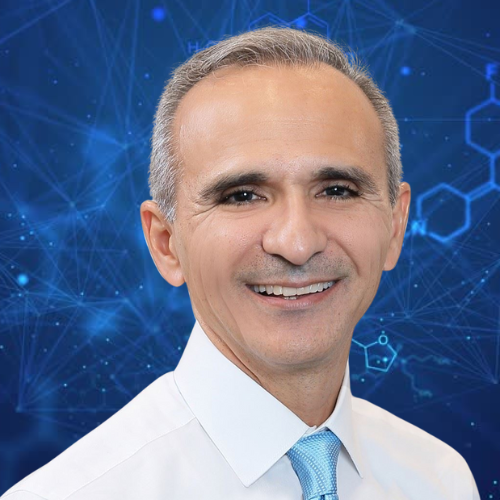
Henry Rodriguez
USA
Henry Rodriguez
USA
What is your current position and location?
My current position is the Founding Director of the Office of Cancer Clinical Proteomics Research in the Division of Cancer Treatment and Diagnosis at the National Cancer Institute, National Institutes of Health, located just outside Washington, DC. Recently, I served as Assistant Director for Strategic Health and Cancer Science in the Executive Office of the President at the White House.
How did you get started in the field of proteomics?
It was by a stroke of serendipity that I stumbled upon my current career path. My academic background and professional training are rooted in molecular and cell biology and DNA/RNA technologies (now widely referred to as genomics). During a fellowship at a renowned cancer center in California, I realized that despite advances in targeted cancer treatments, most therapies still target proteins. That insight led to a pivotal opportunity: the National Cancer Institute invited me to spearhead a proteomics initiative to assess the potential of proteomic technologies in cancer research. The transition felt natural—biology flows from DNA to RNA to proteins, the building blocks of life. Embracing that complexity, I embarked on a new journey to explore the possibilities of proteomics, coupled with genomics, in the fight against cancer.
What does being a member of HUPO mean to you?
To participate in HUPO is to join a tightly knit community—a family of colleagues united by the goal of understanding how proteins interface with human biology and disease. By collaborating with like-minded scientists, we pursue improved patient care and outcomes through cutting-edge research. Together with HUPO colleagues and partner organizations, we are part of a global movement advancing proteomics and paving the way for a brighter future in healthcare.
What makes your research program exciting and unique?
CPTAC, a team-based program at the National Cancer Institute, is truly exceptional because it brings together some of the world’s most accomplished scientists to explore how proteomics—coupled with genomics (proteogenomics)—can be used for clinical benefit. Watching this “all-star” community push the boundaries of knowledge is both inspiring and energizing. It’s a privilege to work alongside such talent and to witness discoveries that move the field forward.
What are your interests outside the lab?
Beyond the office, I find balance in simple joys: time with family, ocean breezes and beach days, a good backyard barbecue, and baking pastries. I also enjoy running—lacing up and hitting the pavement clears my mind and restores my energy.
Where do you envision the field of proteomics in the next 10 years?
I’m excited about proteomics transforming clinical trials and patient care. By providing a better understanding of disease mechanisms, proteomics can enable more precise, individualized treatments and more informative trial designs. I look forward to the profound impact these advances will have across healthcare.
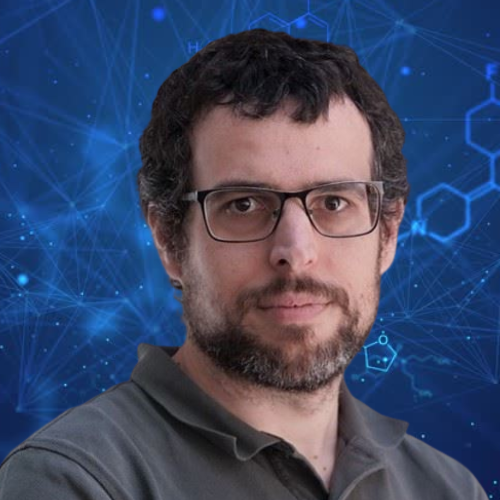
Eduard Sabidó
Spain
Eduard Sabidó
Spain
What is your current position and location?
I am currently the head of the Proteomics Unit at the Centre for Genomic Regulation and the University Pompeu Fabra in Barcelona, Spain.
How did you get started in the field of proteomics?
I got started in proteomics during my PhD at the University of Barcelona. I worked in an organic chemistry laboratory synthesizing probes for activity-based proteomics to study neuropeptide-processing proteases. The probes were modified peptides, inspired by the original neuropeptides, that trapped the proteases of interest. We then used mass-spectrometry-based proteomics to identify the enzymes involved in the generation of each family of neuropeptides.
What does being a member of HUPO mean to you?
Being a member of HUPO means being part of a vibrant community passionate about proteomics—where I can network, exchange ideas and results, gain new research opportunities, and build collaborative projects.
What makes your research program exciting and unique?
In recent years we have devoted substantial effort to the development and implementation of targeted proteomics and data-independent acquisition (DIA) methods. This has allowed us to apply these techniques across many projects—especially to characterize proteins in cerebrospinal fluid and plasma—but also to confirm specific splicing variants and immunopeptides and, more recently, to identify and quantify deoxy- and ribonucleoside modifications. We also enjoy developing automated quality-control applications such as QCloud, and studying post-translational modifications in evolutionary contexts, including phosphorylation and histone modifications. All in all, it is very exciting.
What are your interests outside the lab?
Beyond science, I like to ride my bike and read good stories. I also enjoy fixing broken gadgets of all kinds—it’s the perfect excuse to learn how things work and expand my knowledge.
Where do you envision the field of proteomics in the next 10 years?
In ten years, I expect artificial-intelligence methods—already impactful in proteomics—to be widely implemented throughout data acquisition and analysis. This will change how we acquire and interpret data, enabling richer datasets and allowing us to extract far more information from raw data than we do today.
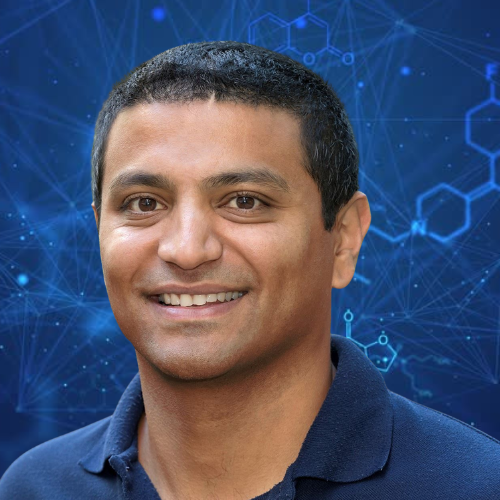
Rommel Mathias
Australia
Rommel Mathias
Australia
What is your current position and location?
I am a senior scientist working for the biotechnology company CSL within the Research Organization. CSL Research employees are located at sites around the world, including Australia, Germany, Switzerland, and the USA. I am based at the Bio21 Institute in Melbourne, Australia.
How did you get started in the field of proteomics?
In my final year of undergraduate study, I was fortunate to have a six-week placement in the laboratory of Prof. Richard Simpson at the Ludwig Institute for Cancer Research. During that time, I was inspired by the cutting-edge capabilities of mass spectrometry and the unlimited potential of proteomics to solve complex biological problems. The following year, I joined Prof. Simpson’s lab to complete an Honours research project, followed by PhD studies that used proteomics to examine the contribution of extracellular modulators to enhance cancer cell metastasis.
What does being a member of HUPO mean to you?
It means the opportunity to collaborate with brilliant scientists who share a passion for advancing knowledge to benefit human health. The first HUPO meeting I attended was in 2009 in Toronto, Canada. It was a pivotal moment for me, as I had just submitted my PhD thesis and had the opportunity to present my findings at the conference. I was honoured to receive the HUPO Young Investigator Award, and in that moment, I felt privileged to be part of such a special community of like-minded scientists. Since then, I’ve greatly enjoyed reconnecting with colleagues from around the world at HUPO meetings—especially the joy of meeting again in person at last year’s conference in Cancun.
What makes your research program exciting and unique?
In one of our first meetings, Prof. Simpson gave me career-shaping advice: rather than study a single protein in depth, master an enabling technology like mass spectrometry, as it can be applied to any biological question. That advice has proven invaluable, and I’ve passed it on to my students. It’s led me to work across diverse labs and biological focus areas around the world.
In 2012, I received a CJ Martin Fellowship from the National Health and Medical Research Council (NHMRC) of Australia to undertake postdoctoral studies at Princeton University in Prof. Ileana Cristea’s lab, where I studied sirtuins and herpesviruses, including human cytomegalovirus (HCMV). Using an IP–MS approach, we discovered SIRT4 as the first cellular lipoamidase (Mathias et al., Cell 2014). After returning to Australia, I established my own lab at Monash University, using proteomic strategies to explore how HCMV assembles and releases infectious virions.
In 2020, I transitioned from academia to industry and joined the analytical biochemistry group at CSL, led by Dr. Matthias Pelzing. My current focus is within the cardiovascular and metabolic therapeutic area, where I use mass spectrometry to investigate human biological samples and elucidate the mechanisms of action of CSL’s therapeutics. With discoveries directly influencing clinical development, discovery science has never been more exciting. Proteomics has been a cornerstone of my career—its versatility and power continue to fuel my passion for research in both academic and industry settings.
What are your interests outside the lab?
One of the reasons I love living in Melbourne is the year-round calendar of sporting events. I’m an avid “footy” fan and spend most weekends watching my beloved Hawthorn Hawks in the AFL (Australian Football League). Outside the AFL season, I enjoy attending the Australian Open, Formula 1 Grand Prix, and the Spring Racing Carnival and Melbourne Cup—especially when shared with family and friends.
Where do you envision the field of proteomics in the next 10 years?
Complex organ biology has always fascinated me, as single infiltrating cell types can drive disease pathology. Because these cells are rare, their molecular signatures are often lost in bulk tissue analyses. That’s why I’m particularly excited about the rise of single-cell proteomics. As technology advances, I’m hopeful we’ll achieve the throughput and sensitivity needed to quantify proteins—and eventually single molecules—within individual cells, revealing novel disease drivers.
It’s also been fascinating to watch the emergence of non–mass spectrometry-based proteomic technologies. Many new and innovative methods will undoubtedly appear in the coming years. However, understanding each technology’s strengths and limitations will be critical. To realize their full potential, we must interpret why certain methods yield confirmatory versus opposing results. As the proteomics toolkit continues to mature, the integration of diverse, complementary technologies will enable us to tackle complex biological questions more comprehensively than ever before.
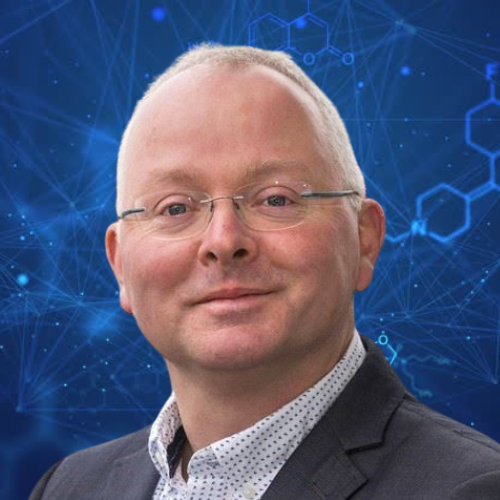
Albert Heck
Netherlands
Albert Heck
Netherlands
What is your current position and location?
Since 2017, I have been Distinguished Professor at the Science Faculty of Utrecht University in the Netherlands (www.hecklab.com). I started the Biomolecular Mass Spectrometry & Proteomics group in Utrecht in 1998, when only a few people knew how to spell the word “proteomics,” and we relied on 2D gels and peptide-mass fingerprinting.
How did you get started in the field of proteomics?
I trained in physical chemistry and entered the field of mass spectrometry during my graduate research in the lab of Nico Nibbering at the University of Amsterdam. For my postdoc, I ventured into laser spectroscopy and molecular beams, working with David Chandler at Sandia and Dick Zare at Stanford. In 1995, I joined Warwick University in the UK as a Lecturer, focusing on peptide and protein analysis by mass spectrometry. When applying for the Utrecht position in 1997, I outlined a bold vision for what mass spectrometry could bring to the life sciences — and apparently convinced the committee! Back then, we had to learn gels, nanoLC, and manual interpretation of fragmentation spectra. Looking back, all the dreams I proposed have come true — some even sooner than I imagined.
What does being a member of HUPO mean to you?
One of the greatest joys of science is being part of a global family of colleagues and friends who share your passion. HUPO embodies that spirit — it connects scientists across generations, ethnicities, and nationalities. I had the pleasure of organizing the HUPO meeting in 2008 in Amsterdam, still one of the highlights of my career. HUPO fosters collaboration, inclusion, and shared purpose — it’s the organization of scientific friends in proteomics.
What makes your research program exciting and unique?
Originally, my lab had two main research lines: proteomics and native mass spectrometry. Over time, these programs have converged through advances such as cross-linking MS in structural biology and the shift in proteomics from peptide-centric to more protein-centric approaches. We take pride in exploring areas few others do — demonstrating the power of mass spectrometry to the broader scientific community. Currently, our cutting-edge work includes single-molecule mass spectrometry and antibody repertoire profiling (watch here).
What are your interests outside of the lab?
When not working or spending time with my family, I enjoy cycling and running — even during conferences! I’ve shared great rides with proteomics colleagues such as Bernard Kuster, Ron Heeren, Simone Lemeer, and Lloyd Smith. While my marathon days are behind me, I still enjoy running half-marathons. I also love to travel and read books, especially about life and history in other countries.
Where do you envision the field of proteomics in the next 10 years?
My scientific dream has always been to “ride” on every protein in the cell — to see where it goes, what it does, and how it shapes cellular behavior. That dream is gradually becoming reality, supported by both proteomics and microscopy. We still need tools to isolate individual molecules from cells and deliver them to mass analyzers for proteoform-level characterization, but the technology is nearly there — perhaps nanopore systems will bridge the gap.
Looking ahead, I believe proteomics will become part of everyday health monitoring. In the near future, we might each provide a drop of blood weekly to a device that reports health indicators based on protein or proteoform levels — of course, only if we choose to. The possibilities are extraordinary.
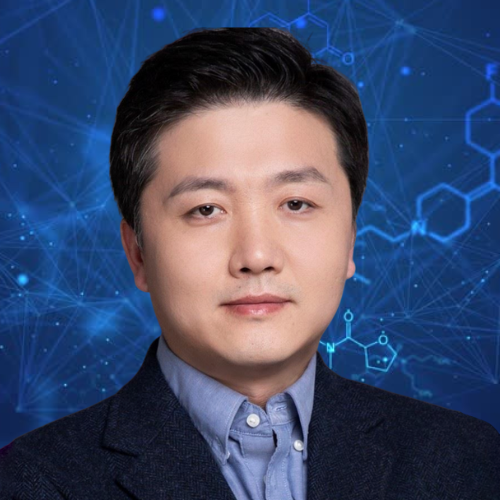
Xiaobo Yu
China
Xiaobo Yu
China
What is your current position and location?
I'm a principal investigator with the National Center for Protein Sciences-Beijing (PHOENIX Center) and the Beijing Proteome Research Center in Beijing, China.
How did you get started in the field of proteomics?
My proteomics research journey began in 2003, when I joined the laboratory of Prof. Danke Xu as a Ph.D. student. Under his guidance, I gained a solid foundation in protein microarrays and developed multiplex biomarker immunoassays for detecting hepatitis B disease.
In 2008, I received the Alexander von Humboldt fellowship and moved to the NMI Natural and Medical Sciences Institute at the University of Tuebingen, where I had the privilege of working with Prof. Thomas Joos and Prof. Nicole Schneiderhan-Marra. There, I received systematic training in assay development using Luminex technology and developed multiplexed immunoassays for inflammatory cytokines. I also authored the review paper “Protein microarrays for personalized medicine” (Clin Chem. 2010; 56(3):376–87).
In 2010, I joined Prof. Joshua LaBaer’s lab at the Virginia G. Piper Center for Personalized Diagnostics, Biodesign Institute, Arizona State University. There, I focused on developing high-density protein microarrays using Nucleic Acid Programmable Protein Arrays (NAPPA). This technology enabled studies of protein–protein interactions, post-translational modifications, and biomarker identification (Nat Protoc. 2015; 10(5):756–67).
I am deeply grateful to all my mentors, colleagues, and friends for their guidance and support throughout my scientific and personal journey.
What does being a member of HUPO mean to you?
Being a HUPO member means more than belonging to a global family — it represents a shared commitment to advancing proteomics, particularly in precision medicine. By collaborating with researchers from diverse backgrounds and countries, we aim to accelerate progress and innovation in the field.
What makes your research program exciting and unique?
Our research focuses on understanding the molecular mechanisms of human disease and identifying biomarkers for precision medicine through advanced, high-throughput proteomics. We have developed multiple protein microarrays — including Human, Tuberculosis, and SARS-CoV-2 — as well as a comprehensive human autoantigen database available at http://biokb.ncpsb.org.cn/aagatlas/. We have also established a high-throughput translational proteomics platform to discover, validate, and translate potential biomarkers into clinical applications. Through collaborations with clinical partners, we have identified promising biomarkers for cancer, autoimmune diseases, and COVID-19 that hold potential for significant patient benefit.
What are your interests outside of the lab?
I enjoy traveling, meeting people from different cultures, listening to music, trying new cuisines, and spending quality time with my family.
Where do you envision the field of proteomics in the next 10 years?
Proteomics has advanced rapidly over the past decade, but the next 10 years will require technologies that deliver higher throughput, sensitivity, robustness, and automation. Because proteins are far more complex than genes — differing in structure, folding, modifications, and functions — no single technology can capture it all. Future development must focus on diversified, application-specific platforms. For instance, mass spectrometry excels at detecting thousands of proteins in tissues and cells, while immunoproteomics is ideal for analyzing proteins and autoantibodies in serum and plasma.
Large-scale initiatives such as the Human Protein Atlas, Clinical Proteomic Tumor Analysis Consortium (CPTAC), the Human Proteome Grand Project, and the Proteomic Navigator of the Human Body (π-HuB Project) will continue to propel the field forward. The π-HuB Project, in particular, aims to characterize the complete lifetime human proteome, reconstruct a digitized human body navigation system, and establish a new paradigm of “Phronesis Medicine.”
Proteomics will profoundly impact basic research, medicine, drug discovery, and other industries — with medicine leading the transformation. Since proteins play a pivotal role in the transition from health to disease, early detection through proteomics (e.g., autoantibodies detectable years before disease onset) will revolutionize diagnosis and prevention. Analytical platforms such as mass spectrometry, protein microarrays, multiplexed immunoassays, and chemiluminescence, combined with multi-marker analysis and artificial intelligence, will enhance diagnostic precision, especially for complex diseases.
However, for proteomic biomarkers to successfully enter clinical practice, close collaboration among scientists, government agencies, venture capital, clinicians, and in vitro diagnostic (IVD) companies will be essential.
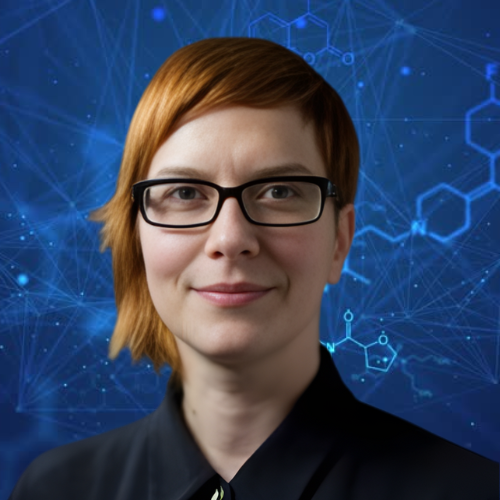
Theodora Katsila
Greece
Theodora Katsila
Greece
What is your current position and location?
I serve as an Assistant Professor and Head of the Biomarker Discovery–Translational Research Laboratory at the Institute of Chemical Biology, National Hellenic Research Foundation, in Athens, Greece.
How did you get started in the field of proteomics?
It was love at first sight—and has remained so ever since. My introduction to proteomics came during my placement year at MSD UK while I was an undergraduate at Imperial College London. At the Drug Metabolism and Pharmacokinetics department, I was thrilled to be involved in LC–MSn method development, optimization, and application for a series of proteoforms. From mass spectrometry-based proteomics to multi-omics, I’ve been pursuing scientific “brain teasers” throughout my postgraduate studies and career—across both academia and industry.
What does being a member of HUPO mean to you?
If I may say so, HUPO is my gang. HUPO fulfils my need for belonging. Beyond space and time, it represents a vibrant organization devoted to a dynamic community that shares proteomics as a driving force to advance science and society.
What makes your research program exciting and unique?
When it comes to translational biomarkers, our motto is simple: translate information growth into knowledge growth. Within the chemical biology space, we aim to catalyze the shift from serendipity-driven to data-driven precision medicine—a paradigm change that calls for biomarker-guided trial design and patient-centric companion diagnostics.
To achieve this, we integrate:
a. mass spectrometry–based multi-omics and exosomal profiling;
b. 3D cell models and cheminformatics;
c. ADME-Tox studies in 3D; and
d. machine learning, deep learning, and computational statistics—
to disrupt healthcare solutions and empower biomedical innovation.
What are your interests outside the lab?
Art and nature are my sources of inspiration. As a former ballerina, I never miss a classical ballet performance. Art galleries are my second home, while hiking offers a different way to appreciate beauty. When I can’t escape Athens, a pilates session is a must.
Where do you envision the field of proteomics in the next 10 years?
Whether it’s a vision or a wish list, it’s difficult to say—but I believe we are already living through extraordinary times. I long for the full integration of wet- and dry-lab pipelines, particularly the seamless fusion of pixels and spectra. Such progress shouldn’t rely on leaps of faith but emerge from deliberate, collaborative efforts to address bias, standardization, and open science—hallmarks of the future of proteomics.
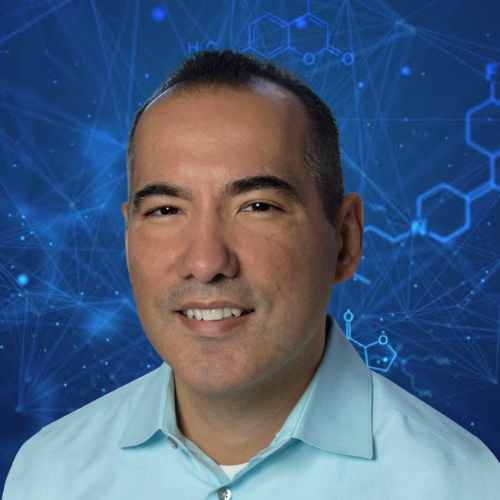
Benjamin Garcia
USA
Benjamin Garcia
USA
What is your current position and location?
In the summer of 2021, I became the Raymond H. Wittcoff Distinguished Professor and Head of the Department of Biochemistry and Molecular Biophysics at the Washington University School of Medicine in St. Louis, MO, USA. Before this, I was a Professor at the University of Pennsylvania School of Medicine (2012–2021) and before that at Princeton University (2008–2012). Yeah, I move a lot.
How did you get started in the field of proteomics?
I got started in the field of mass spectrometry through undergraduate research in the lab of Carlito Lebrilla at UC Davis, who introduced me to Jack Beauchamp (Caltech) at the Lake Arrowhead Ion Conference. Later, I spent a summer at Caltech as an undergrad researcher in Jack’s lab. I told him I wanted to go to graduate school to learn more about all the proteins our genome encodes (the Human Genome Project was in full swing at the time). Jack said, “Oh, you want to do proteomics? Then you should go to graduate school with Don Hunt (University of Virginia),” so I did. The rest, I guess, is history.
What does being a member of HUPO mean to you?
HUPO is a wonderful organization truly devoted to all of its members and to the proteomics field. Serving on the Executive Committee over the past few years has shown me how much hard work goes on behind the scenes to ensure every member is heard, represented, and supported. I’m very proud to be part of the HUPO community.
What makes your research program exciting and unique?
My lab focuses on developing and applying mass spectrometry–based approaches for characterizing protein post-translational modifications (PTMs), particularly on epigenetic histone proteins. We have developed several platforms for detecting novel modifications and characterizing combinations of co-occurring modifications on histone tails. Currently, we’re working to better understand human diseases involving epigenetic alterations—such as sarcoma and certain neurological developmental disorders—where histone mutations drive pathological changes to the global epigenome. We’re also exploring the use of mass spectrometry for RNA sequencing to identify novel post-transcriptional modifications. Okay, that’s not strictly proteomics—but it’s still pretty cool!
What are your interests outside of the lab?
As a Department Head, I take great pride in supporting the research, education, and training of students, postdocs, staff, and faculty. I’m also deeply committed to advancing diversity and inclusion in academia and mentoring the next generation of scientists. I enjoy engaging with Early Career Researchers and helping to prepare them to lead the field forward.
Outside of work, my life revolves around my four kids and their passions for sports, drama, and music—there’s never a dull moment at home! And yes, I’m active on social media, especially Twitter, where I alternate between sharing career advice for scientists and posting ridiculous GIFs. Go #TeamMassSpec!
Where do you envision the field of proteomics in the next 10 years?
I’m excited by the progress in spatial and single-cell proteomics. I can imagine a future where we routinely map the proteomes of thousands of individual cells in spatial context within tissues. I also believe that understanding all proteoforms of a protein is essential to truly grasp its biological function. I’d love to see Top-Down proteomics become as accessible as Bottom-Up—so much so that one day, researchers might choose only Top-Down approaches. Ultimately, my dream is to characterize entire proteomes at the single-cell level, spatially resolved within tissues. A big dream, but why not dream big?
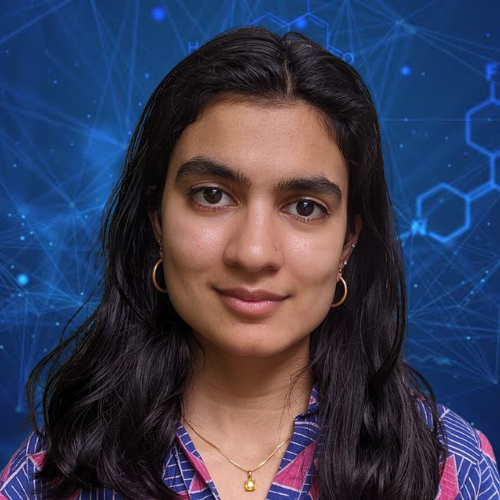
Aparna Srinivasan
Canada
Aparna Srinivasan
Canada
What is your current position and location?
I just finished defending my master’s thesis in the labs of Dr. Hannes Röst and Dr. Anne-Claude Gingras at the University of Toronto!
How did you get started in the field of proteomics?
I discovered proteomics during my rotation in Dr. Röst and Dr. Gingras’ labs when I started graduate school. It was my first introduction to the application of mass spectrometry in a biological context. I especially loved learning about all the data analysis challenges that come with mass spectrometry–based proteomics.
What does being a member of HUPO mean to you?
Being part of the HUPO community is an amazing way to learn about the diverse applications of proteomics. I haven’t yet had the chance to attend a HUPO conference in person, but I look forward to the opportunity in the future!
What makes your research program exciting and unique?
Both of the labs I was part of during my master’s degree focus on exciting method development for data-independent acquisition–based mass spectrometry and the application of innovative techniques such as BioID to biological systems. My thesis specifically investigated whether trapped ion mobility can be used to differentiate between isomeric phosphopeptides—that is, peptides with identical sequences but phosphorylated at different positions. Mass spectrometry is a powerful tool for understanding how signaling operates through phosphorylation at a systems level. Developing methods to improve the identification and quantification of individual phosphorylation sites is key to moving from simply cataloguing phosphorylation events to truly understanding their biological significance.
What are your interests outside of the lab?
Outside the lab, I love exploring new places in Toronto with friends and reading as often as I can.
Where do you envision the field of proteomics in the next 10 years?
In ten years, I hope top-down proteomics of complex mixtures—especially for modified proteins—will be as routine and well-established as shotgun proteomics. Being able to characterize proteoforms directly from cell lysates would provide an incredibly powerful window into cellular signaling!
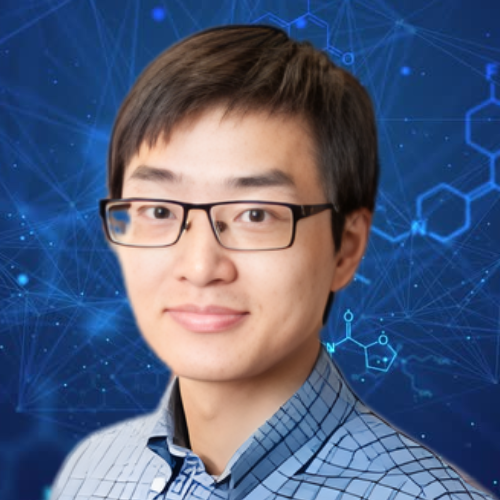
Jing Yang
China
Jing Yang
China
What is your current position and location?
I have been a Principal Investigator at the National Center for Protein Sciences • Beijing (PHOENIX Center) since 2015.
How did you get started in the field of proteomics?
My PhD research focused on elucidating the metabolic pathway of gambogic acid (GA), which primarily involves the Michael addition reaction of intestinal sulfite to an α,β-unsaturated ketone moiety on this natural product (Yang J, et al., Drug Metab Dispos, 2011). I hypothesized that this naturally occurring electrophile might also covalently react with nucleophilic residues on proteins. This was later validated by mapping GA-adducted cysteine sites on selected proteins such as thioredoxins (Yang J, et al., J Nat Prod, 2012). Finding more GA target proteins was a natural extension of this work—one that required an omics approach. I joined the Liebler Lab at Vanderbilt University in 2012, where I learned state-of-the-art mass spectrometry–based proteomics. After about three years of postdoctoral training, I established my own lab, where my first project was to complete that “unfinished work” by conducting a chemoproteomic identification of GA targets (Tian C, et al., Cell Chem Biol, 2017).
What does being a member of HUPO mean to you?
For a long time, I considered myself more of a “redox guy” than a “proteomics person.” I joined HUPO only recently, in 2022, and I’m delighted to be part of this international community. HUPO brings together scientists from diverse backgrounds worldwide, fostering collaboration and providing valuable opportunities for networking and career development.
What makes your research program exciting and unique?
My research group (www.yangresearchlab.com) focuses on advancing chemical proteomic technologies to answer fundamental questions in redox biology and explore the “druggable” space of the cysteine redox proteome. Our overarching goal is to understand the chemistry and molecular mechanisms of cysteine-mediated cellular regulation and signal transduction—particularly the role of cysteine redox transformations, a conserved mechanism for modulating protein function.
We have developed numerous chemical proteomic methods to globally and site-specifically profile distinct cysteine redox forms. These studies have greatly expanded the known landscape of the cysteine redoxome and opened new avenues to explore cysteine-mediated redox networks in biological processes, adaptive responses, and disease mechanisms. Ultimately, our goal is to accelerate the discovery of key regulatory nodes in redox signaling, identify disease-associated cysteine alterations, and leverage this knowledge to develop new therapeutic strategies.
What are your interests outside of the lab?
As a true foodie, I love exploring the world through cuisine. Food tourism allows me to experience regional delicacies and connect with the culture, traditions, and history of each place I visit. I believe that food and culture are deeply intertwined—each dish tells a story and offers a window into the heritage of a country.
Where do you envision the field of proteomics in the next 10 years?
Our expanding chemical proteomic toolbox not only helps us understand protein function, dynamics, and interactions in native biological systems but also enables the discovery of new proteoforms. I believe this trend will continue to deepen our understanding of the human proteome. Moreover, I envision chemical approaches driving major innovations in MS-independent proteomics—an evolution that could truly redefine the field in the coming decade.
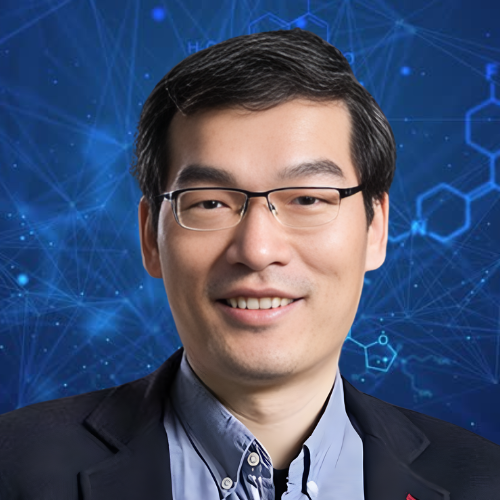
Tiannan Guo
China
Tiannan Guo
China
What is your current position and location?
I am a Principal Investigator and Associate Professor at the Proteomic Big Data Lab in the School of Life Sciences at Westlake University, located in Hangzhou, China. I also serve as Director of the iMarker Lab at the Westlake Laboratory for Life Sciences and Biomedicine, and as an associate faculty member of both the Center for Infectious Disease Research and the Research Center for Industries of the Future at Westlake University.
How did you get started in the field of proteomics?
Interestingly, I initially planned to become a clinician before turning to academic research. Everything changed in 2006, when I learned about Gleevec—a drug that targets the BCR-ABL fusion protein in chronic myeloid leukemia. Its invention transformed a once-fatal cancer into a manageable condition for nearly 99% of patients. That discovery inspired me to pursue the identification of more drug targets for different types of cancer, which meant understanding the abnormal proteins underlying each disease. My growing fascination with proteins and protein systems led me to Singapore for doctoral studies in cancer proteomics at Nanyang Technological University and the National Cancer Centre Singapore. Later, I joined Prof. Ruedi Aebersold’s group at ETH Zurich for postdoctoral research.
What does being a member of HUPO mean to you?
Birds of a feather flock together. Being a HUPO member since my PhD years has given me a profound sense of belonging to a vibrant, international scientific community. HUPO unites researchers from diverse disciplines and cultures, providing an unparalleled platform for collaboration and exchange. As an active member, I have served on HUPO’s Marketing and Outreach Committee (MOC) and am honored to chair the Education and Training Committee (ETC). One memorable aspect of this work has been the early-morning global meetings—sometimes at 5 a.m.! Through these initiatives, we launched HUPO’s WeChat account, which now features over 100 original or translated articles and nearly 1,300 followers. Our online training courses have drawn more than 2,000 concurrent participants. It has been incredibly rewarding to help promote HUPO and proteomics in China—the most populous country in the world.
What makes your research program exciting and unique?
My research focuses on the intersection of life science and artificial intelligence, an emerging field we call proteomic big data. My team has developed pressure-cycling technology coupled with DIA mass spectrometry to perform efficient proteomic analysis of biopsy tissue samples. This approach allows us to process large numbers of samples in a short time, generating extensive datasets that help unravel the complex dynamics of protein networks.
We collaborate closely with clinicians to enable more precise diagnoses and to identify novel drug targets. Currently, our main focus is on improving the precision diagnosis of thyroid cancer. Around 30% of thyroid nodules fall into a diagnostic “grey zone,” where no reliable noninvasive test exists to distinguish between benign and malignant growths. As a result, millions of patients undergo thyroid removal surgeries each year, even though many of these cases are ultimately benign. The thyroid plays a vital role in hormone regulation, and its loss forces patients into lifelong hormone replacement therapy.
Our goal is to change that. Over the past five years, we have identified a panel of protein biomarkers and built a machine learning model capable of diagnosing thyroid nodules with about 90% accuracy in the lab. The model is now entering prospective clinical trials, and we hope that one day this approach will allow physicians to provide precise, noninvasive diagnoses—helping patients avoid unnecessary surgeries and improving quality of life.
What are your interests outside of the lab?
I am a passionate music lover. Every morning, the first thing I do when I arrive at my office is turn on my stereo and play music—it sets a positive and inspiring tone for the day. Music entertains, enlightens, and uplifts me.
I’m also an avid reader, not only of scientific literature but of books across a wide range of genres. My office is overflowing with them! I always encourage my students and colleagues to cultivate a love of reading—it broadens the mind, nurtures creativity, and fosters a more well-rounded perspective on life and science.
Where do you envision the field of proteomics in the next 10 years?
I see proteomics as a fast-growing adolescent—maturing quickly, but not without growing pains. Yet its potential is extraordinary. The cost of measuring a single protein by mass spectrometry has dropped dramatically, from about $3 in 2006 to roughly $0.10 in 2020, making proteomics far more accessible. In the coming decade, I believe routine clinical diagnoses for many diseases will rely on biomarkers discovered through MS-based proteomics, and therapies developed through proteomic insights will become part of standard care.
Additionally, AI-powered big data technologies are poised to transform the field. In the next ten years, I envision proteomic big data reaching a scale comparable to other data-rich domains such as text, imagery, and video. This explosion of data will open entirely new windows into the molecular mechanisms of life, helping us better understand—and ultimately influence—the microcosm of human biology.
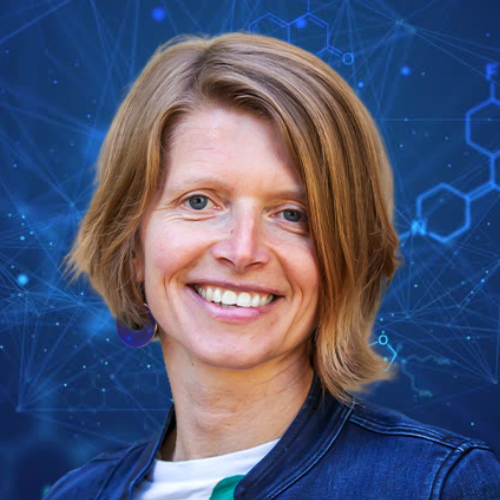
Ruth Hüttenhain
USA
Ruth Hüttenhain
USA
What is your current position and location?
I am an Assistant Adjunct Professor at the University of California, San Francisco (UCSF) in the Department of Cellular and Molecular Pharmacology.
How did you get started in the field of proteomics?
In 2005, as part of my master’s degree, I conducted a research project at the National Institutes of Health under the supervision of Dr. Sonja Hess, characterizing hemoglobin variants using a combination of top-down and bottom-up proteomics approaches. This experience was transformative. With prior training in pharmaceutical sciences, I had mainly worked on small molecules, and I became fascinated by the power and versatility of mass spectrometry to study proteins. It was also my first exposure to the international scientific community and opened my eyes to possible, exciting career trajectories. As a result, instead of pursuing work as a pharmacist, I decided to build a career in science and learn more about mass-spectrometry-based proteomics—which I have continued ever since.
What does being a member of HUPO mean to you?
I love being part of HUPO because it brings together diverse scientists from around the world who share a passion for proteomics technology development and its application to fundamental and clinical questions. Recognizing how integral this community was early in my career—and still is today—I joined HUPO’s Early Career Researcher Initiative to help foster an international network for young proteomics researchers that supports networking, career development, and diversity, equity, and inclusion across the field.
What makes your research program exciting and unique?
My group studies mechanisms of intracellular signal integration, currently focusing on G protein–coupled receptors (GPCRs). We develop and apply quantitative proteomic approaches to delineate GPCR interaction and signaling networks, their spatial organization within cells, and their dynamic adaptations to diverse ligands. Ultimately, we hope this knowledge will deepen understanding of GPCR biology and provide a foundation for designing and testing novel therapeutics that target GPCRs with higher specificity and efficacy by monitoring their effects across entire signaling networks.
What are your interests outside of the lab?
Outside the lab, I spend as much time as possible with my son. I love the outdoors—hiking, climbing, biking, and running—which has always helped me find balance during stressful times at work. I also enjoy traveling to experience new cultures, cuisines, and places.
Where do you envision the field of proteomics in the next 10 years?
I see progress on many fronts. I hope proteomics becomes more user-friendly—from instrument operation to computational tools for analyzing and interpreting complex datasets—so it can be adopted more widely. I anticipate continued gains in sensitivity and new acquisition principles that enable reliable quantification of thousands of proteins and PTMs from single cells. In parallel, alternative protein-measurement technologies beyond mass spectrometry are emerging; I believe this is only the beginning, and we’ll see many exciting developments in the next decade.
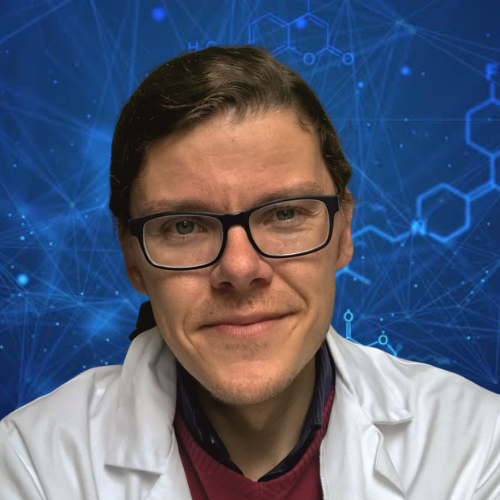
Christian Moritz
France
Christian Moritz
France
What is your current position and location?
My contract title is “Research Engineer,” and I work across the University Hospital of Saint-Étienne and the Universities of Saint-Étienne and Lyon in France.
How did you get started in the field of proteomics?
About 15 years ago, during my final biology studies in Kaiserslautern, Germany, I joined a neuroscience lab as a student assistant. I worked on a proteomics project applying 2D gel electrophoresis and MALDI MS to study the auditory brainstem. I continued similar projects through my master’s and PhD theses.
What does being a member of HUPO mean to you?
It keeps me connected to the proteomics community—even though I don’t sit in a classical proteomics group. Interaction with other scientists is essential. Through the HUPO Early Career Researcher Initiative I can: (1) network with other proteomics scientists, (2) connect with the “celebrities” of our community, and (3) help contribute to proteomics events.
What makes your research program exciting and unique?
We found biomarkers that clinicians actually use—a rare but thrilling success for proteomics. I often feel the autoantibody space offers what many of us seek: real translation from basic research to clinical application.
Our work targets an underrepresented but emerging area of clinical proteomics. I’m convinced the surprisingly large repertoire of autoantibody-targeted antigens—the “autoantigenome,” a key part of the proteome—can illuminate disease mechanisms and states.
What are your interests outside of the lab?
I love being in nature on my bike. Bike holidays are perfect for slowing life down to a pace our brains are built for.
Where do you envision the field of proteomics in the next 10 years?
I hope proteomics moves ever closer to the clinic. My long-term vision: a single drop of blood, proteomics-based readouts, and a machine-learning model assisting clinicians at the point of care—perhaps closer to 30 years than 10, but we’re on the way.
Feel free to get in touch via LinkedIn or follow me on Twitter/X.
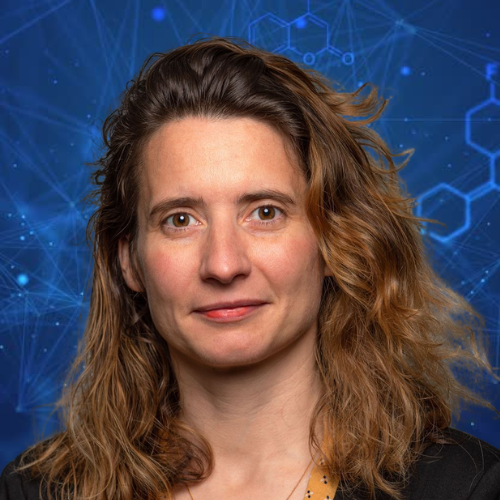
Lydie Lane
Switzerland
Lydie Lane
Switzerland
What is your current position and location?
I am an Associate Group Leader at the SIB Swiss Institute of Bioinformatics and a scientific collaborator at the Faculty of Medicine, University of Geneva, Switzerland.
How did you get started in the field of proteomics?
In 2004, I joined the Swiss-Prot group as a curator, focusing on extracting post-translational modification (PTM) information from research articles. As phosphoproteomics and glycoproteomics emerged, large-scale PTM datasets began to appear—but they were often noisy. I collaborated closely with data providers to understand their technologies and define criteria for selecting the most reliable data. Together with Alain Gateau, we developed the first pipeline to automatically annotate PTMs from such large-scale datasets.
What does being a member of HUPO mean to you?
In 2011, we launched the neXtProt database (www.nextprot.org) at SIB to help fill gaps in human proteome annotation. Applying proteomics to human proteins was clearly essential to this mission, so joining HUPO felt natural. My first HUPO meeting—Geneva—was especially exciting, meeting so many in the community.
neXtProt soon became the companion resource for HPP projects, and since then our team has continually gathered community needs and responded with dedicated tools (see overview: link). I’ve served on various HUPO/HPP boards and participated in nearly every HUPO and HPP event since 2011—an amazing journey with a dedicated (and fun!) community.
What makes your research program exciting and unique?
With a dedicated focus on human proteins, neXtProt offers more comprehensive human protein annotation than generalist databases. Its semantic-technology–based querying allows users to retrieve information not only within neXtProt but also across semantically compatible life-science resources—enabling answers to complex biological questions.
The platform also hosts tools tailored to proteomics labs (e.g., the peptide uniqueness checker) and integrates third-party HUPO community tools. Recently, we launched function-prediction pages for ~1,500 human proteins that still lack functional annotation, and we invite HUPO researchers to contribute their predictions to accelerate characterization.
What are your interests outside of the lab?
I am a professional music production manager (classical and contemporary) and play the cello in various amateur chamber ensembles.
Where do you envision the field of proteomics in the next 10 years?
Quantitative proteomics, PTM profiling, and multi-omics are now mature in research and provide information that complements genetic tools. I expect broader clinical use—particularly in oncology—though this will require robust standardization across procedures. In parallel, protein databases must adapt to personalized medicine, evolving from a single, static “human proteome” to individualized, dynamic human proteomes.
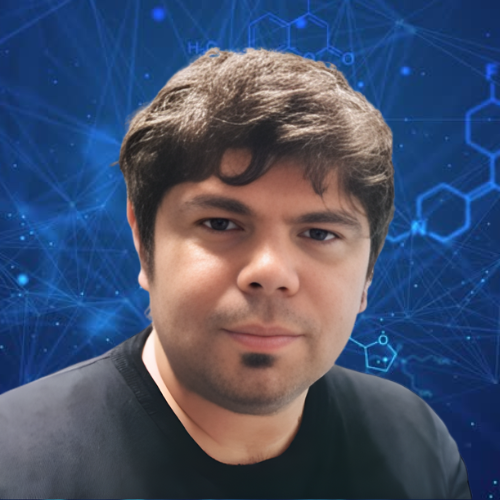
Giuseppe Palmisano
Brazil
Giuseppe Palmisano
Brazil
What is your current position and location?
I am currently an Associate Professor in the Department of Parasitology, Institute of Biomedical Sciences, University of São Paulo, Brazil, and at the Faculty of Natural Sciences, Macquarie University, Australia.
How did you get started in the field of proteomics?
During my Ph.D., I focused on understanding the phosphorylation of mitochondrial complex I. My supervisor, Prof. Sergio Papa—an expert in mitochondrial biology at the University of Bari (Italy)—suggested using mass spectrometry to characterize the phosphorylation of specific complex I subunits. At that time, I had no idea how to approach it until I met my mentor, Prof. Martin R. Larsen, an expert in PTM analysis, who kindly hosted me in the Protein Research Group in Odense, Denmark. The experience was vibrant, inspiring, and marked my first “date” with proteomics—and since then, I’ve never left the field.
What does being a member of HUPO mean to you?
Since attending my first HUPO conference in 2010, I’ve felt part of a global community united by a shared passion for proteomics—from method development to biological and clinical applications. Being a HUPO member means connecting with researchers across disciplines and geographies. It also means contributing to a community that actively fosters the growth of young scientists through initiatives like the Early Career Researcher (ECR) program.
What makes your research program exciting and unique?
In my laboratory, we seek to understand how pathogens interact with their vertebrate and invertebrate hosts. We focus on viruses and parasites responsible for (re)emerging diseases that disproportionately affect populations with limited access to healthcare infrastructure. My students and I are driven by the challenge of decoding the molecular “language” of these interactions using proteomics and complementary approaches. We believe this research offers unique opportunities to identify biomarkers and therapeutic targets for infectious diseases.
What are your interests outside of the lab?
I enjoy playing music. I am a saxophonist with a deep love for jazz, bossa nova, nuevo tango, and Italian opera. I can spend hours listening to Charlie Parker, Tom Jobim, Astor Piazzolla, and Giacomo Puccini.
Where do you envision the field of proteomics in the next 10 years?
Over the next decade, I believe proteomics technologies—both MS-based and beyond—will become more robust, accessible, and clinically validated. Seeing more biomarkers approved and translated from proteomics research into clinical practice will be a major achievement with significant benefits for public health. I also hope proteomics and other omics sciences become integrated into more undergraduate curricula to inspire and equip the next generation of researchers.
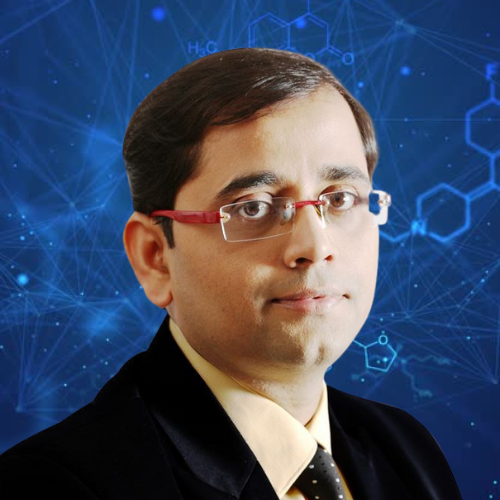
Sanjeeva Srivastava
India
Sanjeeva Srivastava
India
What is your current position and location?
Hi, I am Sanjeeva Srivastava, a Professor in the Department of Biosciences and Bioengineering at the Indian Institute of Technology Bombay, Mumbai, India. IIT Bombay is recognized as an Institute of Eminence and holds the number one ranking in India.
How did you get started in the field of proteomics?
I was drawn to proteomics because I wanted to understand life’s deepest secrets. When I began my research career, the Human Genome Project was nearing completion. I was fascinated by the genome’s stability—there was very little difference between the genomes of humans and chimpanzees, and even less between individuals—yet each person is unique. I realized that the key to life’s complexity lies in the dynamic and ever-changing proteome. My first experience with proteomics came during my Ph.D. at the University of Alberta, where I worked on discovery proteomics using 2D electrophoresis and mass spectrometry. I deepened my understanding during my postdoctoral research with Prof. Joshua LaBaer at Harvard Medical School, focusing on functional proteomics through protein microarrays (NAPPA) and surface plasmon resonance.
What does being a member of HUPO mean to you?
To me, HUPO represents a thriving community of scientists united by their enthusiasm for advancing technologies and ideas. It’s an extraordinary feeling to be part of such progress. Most importantly, HUPO embodies diversity and collaboration beyond borders—core values that drive innovation and forward thinking both inside and outside the lab.
What makes your research program exciting and unique?
The hallmark of my research program is addressing real-world health challenges through a multi-omics lens. Working with healthcare professionals, my team and I tackle urgent clinical issues that affect our society, particularly infectious diseases such as COVID-19, malaria, and dengue. Using mass spectrometry, protein arrays, and AI-driven analytics, we identify biomarkers and pathways for disease diagnosis, prognosis, and pathogenesis.
Our multi-omics studies have improved understanding of COVID-19 severity within the Indian population and revealed key biomarkers for distinguishing between falciparum and vivax malaria and other febrile diseases. We have also identified metabolite signatures distinguishing malaria from dengue and uncovered regulatory mechanisms in severe vivax cases. Beyond infectious disease, my group contributes to cancer proteomics—using artificial neural networks to pinpoint influential protein candidates for tumor classification. As part of the International Cancer Proteogenome Consortium (ICPC), we are now advancing projects in breast, cervical, and oral cancer proteogenomics.
What are your interests outside of the lab?
Teaching has always been my passion. Beyond my academic role, I strive to make proteomics accessible to students from resource-limited settings across India. With expanding internet connectivity, I can now reach learners nationwide through workshops, online sessions, and short courses designed to introduce proteomics technologies. I also create educational documentaries and videos to demystify proteomics for wider audiences using engaging audio-visual formats.
Where do you envision the field of proteomics in the next 10 years?
I foresee tremendous change. Just a decade ago, proteomics was largely gel-based—now, it’s transformed. In the next ten years, I hope to see a democratized field where more laboratories participate and open-source, user-friendly tools (like Skyline and MaxQuant) become standard. We need community-wide data-validation systems to strengthen the credibility of proteomics and ensure reproducibility. Advances in instrumentation will likely standardize workflows across labs, moving proteomics toward the accessibility and robustness of genomics.
Looking ahead, we must also nurture emerging fields such as single-cell proteomics and metaproteomics, while enhancing integration between genomics, proteomics, and metabolomics datasets for seamless multi-omics research. The next decade promises to be an exciting era of growth, collaboration, and discovery for the proteomics community.
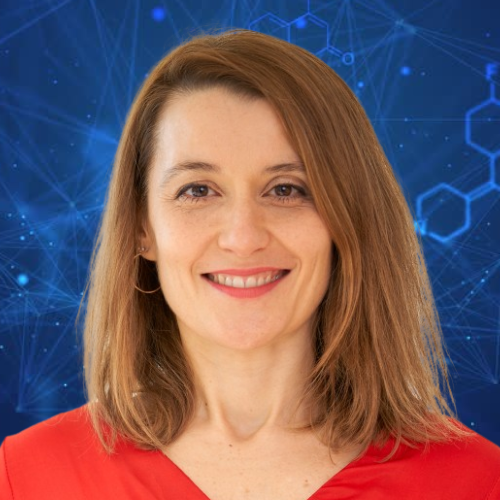
Maria Robles
Germany
Maria Robles
Germany
What is your current position and location?
I am a tenure-track Professor at Ludwig-Maximilians-University (LMU) in Munich, Germany.
How did you get started in the field of proteomics?
After a postdoctoral fellowship in chronobiology in the lab of Charles Weitz at Harvard Medical School in Boston, I moved to Munich to work with Matthias Mann at the Max Planck Institute of Biochemistry (MPIB). I wanted to learn mass spectrometry–based quantitative proteomics and merge it with my passion for circadian biology. At that time, while it was well established that circadian clocks drive rhythmic gene expression in cells and tissues, the daily dynamics of protein abundance and post-translational modifications were still largely undocumented.
What does being a member of HUPO mean to you?
Being a HUPO member allows me to stay connected with the international proteomics community, explore new methods and approaches, and maintain an overview of the broader directions in which the field is evolving.
What makes your research program exciting and unique?
My group applies mass spectrometry–based quantitative proteomics to answer fundamental questions in the circadian field. For example, we study how, downstream of transcription, daily dynamics of proteins and post-translational modifications shape the temporal organization of cellular and physiological processes. We aim to understand how temporal control of protein abundance and function forms the basis of rhythmic biological pathways under healthy conditions, and how pathological states — such as cancer or sleep deprivation — disrupt these protein dynamics and affect circadian fitness. Additionally, we combine temporal and spatial proteomics to investigate rhythms not only at the whole-cell and tissue levels but also within subcellular organelles.
What are your interests outside of the lab?
I dedicate most of my limited free time to my children, taking short weekend trips together and traveling long-distance during our vacations whenever possible.
Where do you envision the field of proteomics in the next 10 years?
I believe the two areas that will advance most dramatically over the next decade — and are already gaining major traction — are single-cell proteomics and clinical proteomics. These innovations will bring us closer to truly personalized and precision biology.
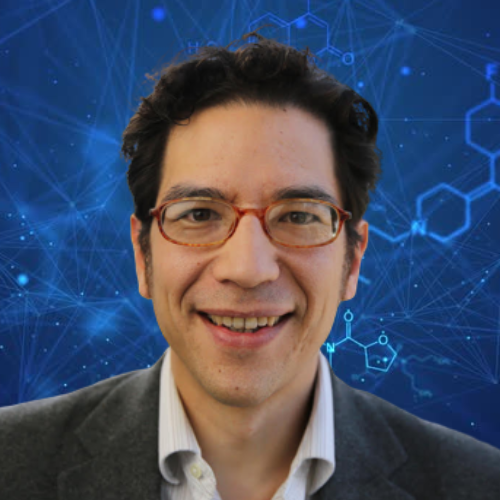
Brian Searle
USA
Brian Searle
USA
What is your current position and location?
I am an Assistant Professor in the Department of Biomedical Informatics at The Ohio State University in Columbus, Ohio, and a member of the Pelotonia Institute for Immuno-Oncology (PIIO).
How did you get started in the field of proteomics?
After undergrad, in 2001 I joined Oregon Health & Science University as a Research Assistant under Dr. Srinivasa Nagalla, training with Dr. Ashley McCormack (mass spectrometry) and Mark Turner (bioinformatics). In 2004, Ashley, Mark, and I co-founded Proteome Software, where we developed the Scaffold software suite for proteomics data analysis.
What does being a member of HUPO mean to you?
My first HUPO was Munich, Fall 2005—where I met scientists, including the late Al Yergey, who later became close collaborators and friends. HUPO is a vital home where like-minded scientists meet, organize, and push proteomics forward.
What makes your research program exciting and unique?
My lab sits at the intersection of mass spectrometry, bioinformatics, and technology development. We draw on multiple disciplines—often simultaneously—to study human genetic variation against the backdrop of cancer. We’re happiest when bioinformatics answers a chemistry question or MS tech-dev unlocks a problem in cancer biology.
What are your interests outside of the lab?
I’m a ceramics artist and enjoy solo sports like rock climbing and running. I’m highly food-motivated and very susceptible to bribes of coffee and beer.
Where do you envision the field of proteomics in the next 10 years?
Data acquisition advances will normalize instruments so platform choice matters less, making bulk quantitative proteomics as common and robust as bulk RNA-seq. Key challenges will be sensitivity (e.g., single-cell proteomics), sample complexity (e.g., metaproteomics and PTMs), and integrative interpretation alongside other protein- and metabolite-level measurements (e.g., imaging).
Marlene Oeffinger
Canada
Marlene Oeffinger
Canada
What is your current position and location?
I am an Associated Research Professor at the Institut de recherches cliniques de Montréal (IRCM) and a professeure-chercheure agrégée in the Département de biochimie et médecine moléculaire at the Université de Montréal.
How did you get started in the field of proteomics?
I first attempted proteomics during my Ph.D. in David Tollervey’s lab in Edinburgh, aiming to characterize yeast pre-ribosomal complexes by mass spectrometry. We weren’t very successful then, as the MS facility was still optimizing workflows, so I pivoted projects. Later, as a postdoc in Mike Rout’s lab at Rockefeller—where proteomics on the yeast nuclear pore complex had succeeded—I picked up those threads again, adapting and optimizing approaches for RNA–protein complexes while learning hands-on proteomics in Brian Chait’s lab.
What does being a member of HUPO mean to you?
It means belonging to a lively community excited about advancing experimental and computational technologies, and one that values diversity, collaboration, and training—elements I consider essential for a creative and progressive scientific community.
What makes your research program exciting and unique?
Our research focuses on the plasticity and disease etiology of RNA–protein complexes. We use proteomics to define their heterogeneous compositions under baseline conditions and in response to external and internal stresses. Because many interactions are highly dynamic, we develop and refine techniques—such as crosslinking strategies and differential affinity-purification MS—to capture subtle compositional changes and broader crosstalk networks.
What are your interests outside of the lab?
Reading, cooking, and yoga—very much in that order. Food and the arts have always been central in my life. I love unwinding with philosophy, poetry, or fiction, or by cooking a good meal with my partner. And for over two decades, yoga has helped me stay balanced during stressful times.
Where do you envision the field of proteomics in the next 10 years?
I hope to see more user-friendly computational tools, community-wide consensus on data validation, and continued advances in sensitivity and approaches (for better and for worse!). More broadly, I’d like proteomics to shed labels like “too risky,” “too broad,” or “just for core facilities,” and be recognized as integral to mainstream biological research.
Vera Ignjatovic
USA
Vera Ignjatovic
USA
What is your current position and location?
In August 2022, I made a big move from Australia to the United States to begin a new role as the Inaugural Assistant Director for Translational Research at the Johns Hopkins All Children’s Hospital (JHACH) Institute for Clinical and Translational Research (ICTR) and Professor of Pediatrics (PAR) at the Johns Hopkins University School of Medicine. I am based in tropical St. Petersburg, Florida — in close proximity to some of the most beautiful beaches in the U.S., including St. Pete Beach and Clearwater.
How did you get started in the field of proteomics?
Proteomics came into my life by chance. During a discussion about the challenges of pediatric research — particularly the limitations on blood volume available for studies — a colleague suggested I explore proteomics. That conversation changed everything, and I have never looked back since.
What does being a member of HUPO mean to you?
HUPO represents a community of like-minded, supportive, and passionate individuals united by a shared love for proteomics. It brings together people from all corners of the world, across diverse disciplines and career stages, creating an environment for learning, collaboration, and innovation. HUPO truly serves as a one-stop destination for anyone interested in proteomics — from beginners eager to learn the fundamentals to experts developing cutting-edge instruments and software solutions.
What makes your research program exciting and unique?
For the past 22 years, my research has focused on three main areas:
- Characterizing age-specific differences in the hemostatic system — a concept known as Developmental Hemostasis — and understanding how these differences influence anticoagulation therapy in children.
- Establishing age-specific reference ranges for clinically relevant hematology, immunology, and biochemistry tests.
- Investigating the pathophysiology of thrombosis in children facing complex clinical scenarios (e.g., cardiopulmonary bypass, extracorporeal membrane oxygenation (ECMO)) and identifying blood-based biomarkers associated with thrombotic outcomes.
The excitement of my research lies in its direct contribution to improving outcomes for children — from those in the community needing simple blood tests to critically ill patients receiving complex clinical care. I have had the privilege of collaborating with multidisciplinary and multinational teams, involving researchers, clinicians, and industry partners across more than 13 specialties.
The uniqueness of my work stems from its focus on pediatric differences — an area often overlooked in biomedical research. Understanding how children differ from adults allows us to tailor diagnostics and therapies to better meet their specific needs, ultimately improving pediatric care.
In my current role, I aim to foster the strategic growth of translational research and strengthen interdisciplinary collaboration. By bringing together laboratory scientists and clinical investigators, I hope to advance pediatric biomarker discovery and application while mentoring the next generation of translational researchers. Proteomics will play a central role in this vision.
What are your interests outside of the lab?
Outside of work, I am dedicated to continual learning and personal well-being. I have completed an Executive MBA and devote time to exercise, reading, and visiting art galleries. When it comes to books, I’m a traditionalist — I need to feel the texture and smell of the pages to fully enjoy the experience.
Where do you envision the field of proteomics in the next 10 years?
The sky is truly the limit for proteomics! With a bold and innovative mindset, I envision proteomics transforming into a key component of point-of-care testing — applicable in both community and clinical settings. Imagine mass spectrometry being used directly in the clinic for rapid tests such as concussion or dementia screening, or even for monitoring drug adherence. In emergency departments, I foresee proteomics enabling quick, finger-prick diagnostics that guide triage decisions in real time.
This is just the beginning. The future of proteomics lies in expanding its boundaries through creativity, multidisciplinary collaboration, and engagement with patient advocacy and community groups. With such an approach, proteomics will not only advance science but also become an integral part of everyday healthcare.